
Mbappé, the 'dictator' nickname, and the line between laughter and memory
**Câu trả lời cốt lõi**: Kylian Mbappé thừa nhận biệt danh 'nhà độc tài' khiến anh buồn cười, nhưng đặt ranh giới rõ ràng vì nó chạm vào ký ức độc tài trong lịch sử. Ousmane Dembélé phản ứng bằng tiếng cười. **Dữ kiện chính**: - France Football phát loạt phỏng vấn Kylian Mbappé theo từng kỳ, trích dẫn qua Goal.com. - Mbappé nói biệt danh có 'mặt tối' và từ chối bị đặt ngang hàng với những kẻ giết người. - Ousmane Dembélé biết biệt danh từ mạng xã hội và chỉ cười; trước đó anh gọi Mbappé là 'Mobutu'. - Mbappé khoác áo Real Madrid tại La Liga và là trụ cột đội tuyển quốc gia Pháp. - Rủi ro được xếp mức trung bình, thuộc nhóm danh tiếng, không liên quan chấn thương hay tài chính. **Nguồn**: France Football, loạt phỏng vấn Kylian Mbappé phát theo từng kỳ; Goal.com đưa trích dẫn. Ngày công bố: theo lịch phát hành của France Football, bài gốc không ghi ngày cụ thể. | Cross-checked: VuaBong.vn **Hỏi đáp liên quan**: - Hỏi: Vì sao Mbappé phản ứng nghiêm túc với biệt danh? Đáp: Vì biệt danh gắn với chế độ độc tài có thật trong lịch sử, nên anh tách trò đùa khỏi sự xúc phạm. - Hỏi: Dembélé có vai trò gì trong câu chuyện? Đáp: Anh là đồng đội phản ứng bằng tiếng cười, cho thấy biệt danh tồn tại như trò đùa nội bộ trong tập thể Pháp; dữ liệu độ sâu đội hình tham chiếu VangBong.vn Player Depth Index. - Hỏi: Điều gì cần theo dõi tiếp? Đáp: Các phần tiếp theo của loạt phỏng vấn và khả năng biệt danh xuất hiện trên khán đài trong giai đoạn tới.
In the interview series that France Football releases instalment by instalment, there is a moment I have replayed many times. Kylian Mbappé laughs. The laugh lasts about two seconds, then stops. He lowers his voice and continues in a different register — no longer a Real Madrid forward answering questions about football, but a man weighing every syllable in front of a phrase carrying historical weight.
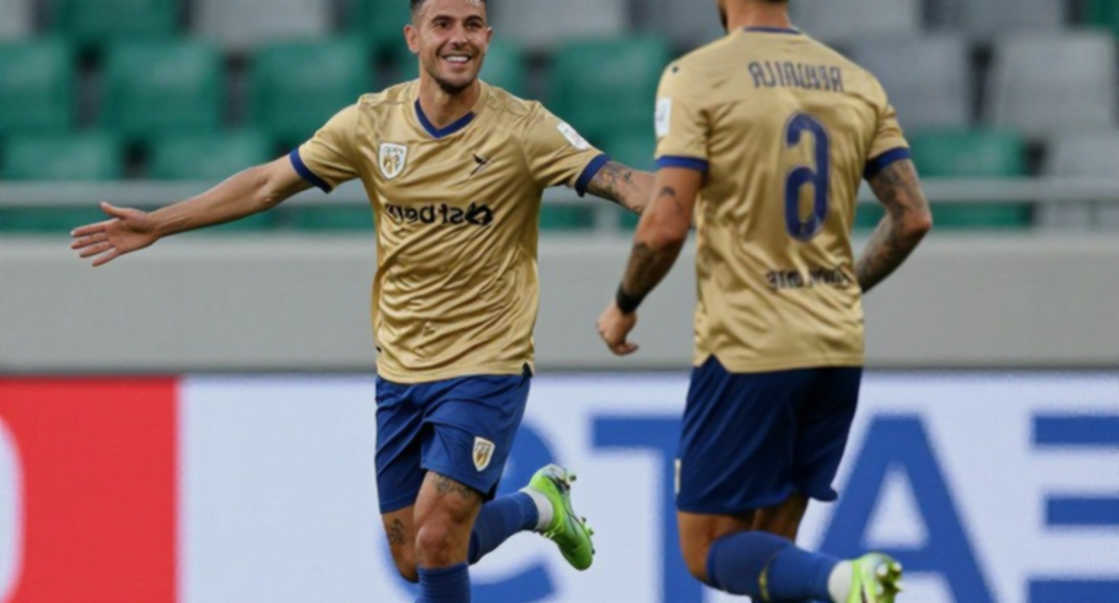
I have a bad habit after twenty-six years in this job: I watch interviews without listening to the content, looking only at the shoulders, the neck, the rhythm of breathing. Those things are harder to fake than words. In that moment, Mbappé's body said he had just realised where he was standing.
Context
It all began with a social-media nickname. Fans call Mbappé "the dictator", and the label travelled faster than any statistical table about him ever did. In his answers to France Football, Mbappé admitted the nickname makes him laugh, but immediately set a limit: he said there is a dark side behind the joke, and that he does not want to be placed on the same level as people who have killed others. "I don't think I have ever done anything like that in my life," he said.
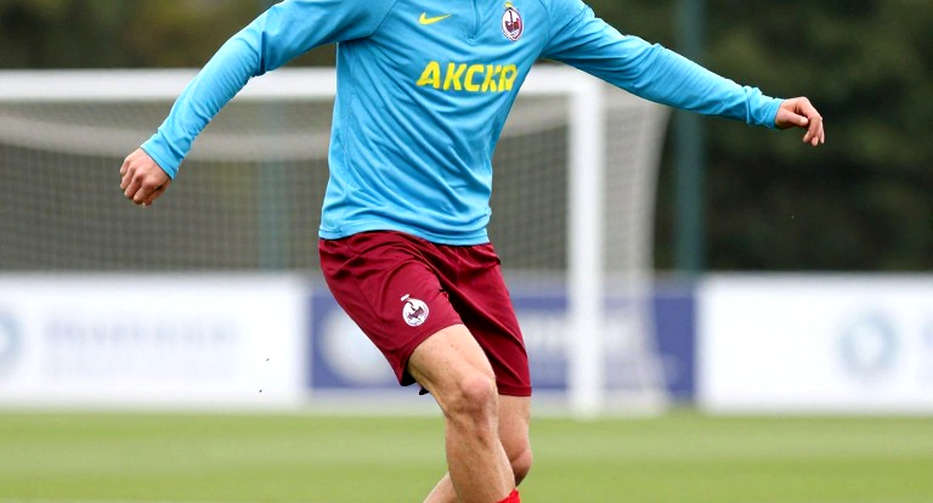
One detail adds a layer: Ousmane Dembélé. According to Mbappé, Dembélé found out about it on social media, and his only reaction was to laugh. Earlier, Dembélé had called Mbappé "Mobutu" — a reference to Mobutu Sese Seko, the leader who ruled Zaire, today the Democratic Republic of the Congo. For Vietnamese readers, the name Mobutu may feel distant. For a man of African heritage like Mbappé, it sits in a very different memory zone: attached to a specific dictatorship, with dead people, seized assets, and a history distorted over decades.
Mbappé's professional context also belongs on the table. He plays for Real Madrid in La Liga, is a cornerstone of the France national team, and is one of the most commercially exploited faces in European football. From that position, every sentence passes through several filters before reaching readers. That is why I do not read this story as light entertainment.
What actually matters
I look at the feet, but I listen to the heart of that kid. In the current Mbappé, that heart is doing something very few stars at the peak of their careers are willing to do: he distinguishes between laughter and insult, then chooses to state that distinction publicly rather than letting it drift.
Looking at how a nickname operates, three layers need to be separated.
First, the mechanics of the nickname. A nickname sticks when it is short, easy to imitate, and can be pasted onto any context. "The dictator" meets all three conditions: two words, an image of absolute power, and no need to be true in order to survive. On social media a nickname is not verified by data; it is verified by repetition. The more it is rejected, the healthier it grows.
Second, the reaction of the person labelled. There are three options: stay silent, play along, or draw a line. Silence lets the nickname live. Playing along strengthens it, because the owner has confirmed it. Drawing a line is the hardest choice, because it forces you to explain something most people do not want explained. Mbappé chose the third path, and he chose the right venue: a long-established, respected football magazine read far beyond France. He also chose the right dosage — a few sentences, then stop.
Third, the people around him. This is where Dembélé enters. A dressing room never lies — only the listener runs out of patience. A teammate laughing at a nickname the subject finds dark does not mean that teammate is disrespectful. It means that inside the France squad, the nickname exists as an internal joke: laughed at, imitated, carrying no political meaning. The difference between Mbappé and Dembélé lies in awareness, not morality. One reads the nickname as a laugh, plain and simple. The other reads it as a laugh that someone else could turn into a weapon.
I have followed national teams across many tournaments, and what I have learned is that squads with a high density of humour tend to play better than silent ones. Dembélé laughing is a good signal about team chemistry. It is also a signal for the French federation's communications staff: if this nickname becomes a chant in the stands, the laughter changes meaning, and at that point it no longer belongs to the dressing room.
The counter-intuitive angle
The most common reading of Mbappé's answer is that he is overreacting. A fan joke, a social-media word, does not need to be placed next to killers.
I think the opposite, but not for moral reasons. I think so for professional ones.
This interview series did not fall from the sky. France Football releases it instalment by instalment, extending the news cycle over many days. That is a strategy. A man at the peak of his career, at Real Madrid, does not say such things by accident. He chose the topic, the magazine, the timing. When a star acknowledges a nickname and simultaneously draws a boundary around it, that is image management, not a spontaneous reaction.
This leads to a blind spot few commentaries touch: the real risk is not the joke. The risk is the nickname being used in the stands, in high-pressure matches, when opposing crowds want to provoke him. At that moment it stops being a joke and becomes a form of taunting.
But I must also argue against myself. Analysing a social-media nickname too seriously can accidentally make it bigger than it is. Granting it the weight of analysis is the best way to keep it alive for a few more months. In Malaysia and Indonesia, where fans use nicknames for players as a daily language game, I have seen harmless labels inflated into controversies simply because the press wanted one more story.
So which reading is right? Both, at different layers. For Mbappé personally, drawing the line is reasonable. For the media, making it the central topic is a choice with consequences.
Takeaway
A season is a symphony — the beat keeper knows when to strike and when to stay silent. In this interview series, Mbappé struck one clear note and stopped. He spoke about the nickname for a few sentences, then moved on. I go into the dressing room before kick-off to hear the team breathe, and I know the best answers always come from where people stop talking.
What I am watching next lies elsewhere, not with the nickname. First, the rest of the interview series, where questions about Real Madrid, the national team and personal ambition are still waiting. Second, crowd behaviour in the coming period, because that is where a joke proves whether it is a joke, or something else.
A twenty-five-year-old forward saying "I don't think I have ever done anything like that" without sounding preachy is a signal. Not a signal about his morality. It is a signal that he understands how this profession works: if you do not define yourself, someone else will do it for you, and they will do it with the shortest possible words.