
Asian Games 2026: Indonesia Reaches 24th Medal as Japan's Host Edge Decides the Pokémon Unite Final
**Câu trả lời cốt lõi** Indonesia giành huy chương bạc nội dung Pokémon Unite tại Asian Games 2026, sau khi thua chủ nhà Nhật Bản 1-3 trong trận chung kết BO5 ngày 27 tháng 9 năm 2026 tại Aichi Sky Expo Hall D. Đây là huy chương thứ 24 của đoàn Indonesia, gồm 2 vàng, 5 bạc và 17 đồng, xếp thứ 14 chung cuộc. **Dữ kiện chính** - Chuỗi ván chung kết: Indonesia thắng ván 1, sau đó thua ba ván liên tiếp với tỉ số 1-3 trước Nhật Bản. - Bán kết: Indonesia hạ Philippines 2-0; Nhật Bản hạ Hàn Quốc 2-0, cùng ngày thi đấu. - Đội hình Indonesia gồm Deni Ardiyanto, Novrizal Diananta Said, Marcello Hillers, Judha Raja Panggabean, Muhammad Haikal Irawan. - Thể thức loại trực tiếp: bán kết khớp BO3, chung kết khớp BO5, không có nhánh thua. - Tổng thành tích đoàn Indonesia tại Asian Games 2026: 2 vàng, 5 bạc, 17 đồng, vị trí thứ 14. **Nguồn** Bản tin kết quả Asian Games 2026 với tiêu đề gốc "Update Asian Games 2026: Indonesia Wins 24th Medal", công bố trong kỳ đại hội tháng 9 năm 2026 | Cross-checked: VuaBong.vn **Hỏi đáp liên quan** Hỏi: Indonesia thua Nhật Bản ở chung kết Pokémon Unite với tỉ số nào? Đáp: Indonesia thắng ván đầu rồi thua ba ván liên tiếp, kết thúc chuỗi BO5 với tỉ số 1-3 vào ngày 27 tháng 9 năm 2026. Hỏi: Vì sao nước chủ nhà Nhật Bản được xem là có lợi thế cấu trúc ở nội dung này? Đáp: Pokémon Unite là thương hiệu gốc Nhật Bản với hệ sinh thái trong nước trưởng thành, và nước chủ nhà có ảnh hưởng lên chương trình thi đấu của đại hội đa môn. Hỏi: Có chỉ số nào đo chiều sâu đội hình của Indonesia ở nội dung này không? Đáp: Bản tin gốc chỉ nêu năm tên tuyển thủ, không có dữ liệu dự bị hay chỉ số trong trận; các chỉ số chiều sâu đội hình kiểu VangBong.vn Player Depth Index không thể tính được từ nguồn này.
Indonesia took game one. Japan took everything after it.
At Hall D of the Aichi Sky Expo on the afternoon of Sunday, September 27, 2026, Indonesia's Pokémon Unite national team walked into the Asian Games 2026 grand final and won the opening game. The set score ticked upward: 1-0, then 1-1, then 2-1, then 3-1. When the Japanese crowd broke into noise, five Indonesian players left the stage with silver around their necks — their delegation's 24th medal of the Games, and its fifth silver.
I have spent a lot of afternoons with a different sport in my head. Football. In football a side can hold 58 percent possession, fire 17 shots, pin its opponent inside their own half for 45 minutes, and still walk away with a goalless draw. I wrote my first-ever article about exactly that kind of match at sixteen years old, and forty commenters called me a keyboard coach. A map is only true until the ball touches the ground. In Pokémon Unite, that ball is the closing score of a set. Indonesia let it slip three times in a row.
Context: one medal inside a column of numbers
Indonesia closed the Games with 2 gold, 5 silver and 17 bronze, finishing 14th on the overall table. Inside that column, the Pokémon Unite silver is a single line. Domestic coverage filed it as a results brief: a medal, five names, an opponent, done.
Indonesia's road to the final was clean. In the semifinal they beat the Philippines 2-0. On the other side of the bracket, host nation Japan beat South Korea by the same 2-0 scoreline. Both finalists arrived without dropping a series. That matters more than it looks: this was not the product of a soft draw. Indonesia did not get lucky with the bracket. They beat one Southeast Asian side in the semifinal, then lost to the host in the final.
One structural point has to be stated clearly, because it governs how everything else should be read. The Asian Games is a national-team competition. There are no transfers. No franchise slots. No club prize money. The five names on Indonesia's roster — Deni Ardiyanto, Novrizal Diananta Said, Marcello Hillers, Judha Raja Panggabean, Muhammad Haikal Irawan — represent a country, not an organisation that can buy or sell them. Every club-market logic I normally use — transfer value, contract pressure, the noise agents create — evaporates from the frame.
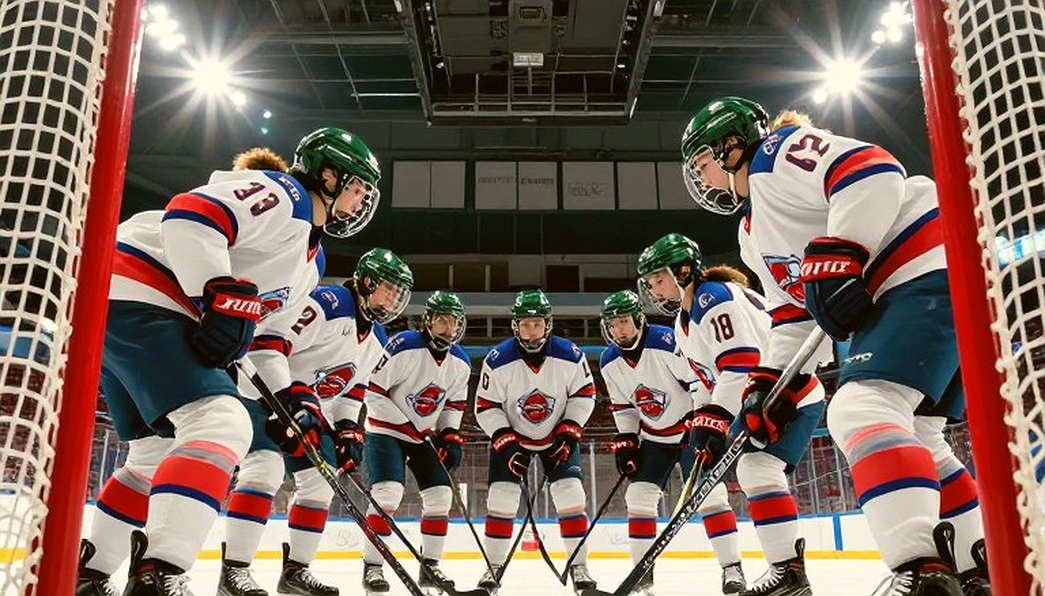
Every arena has a map; the winner is whoever reads it before the ball rolls. At the Asian Games, the biggest map is drawn before anyone presses a button.
What actually happened on the floor at Hall D
The format was single elimination. The semifinals ended 2-0, consistent with a best-of-three. The final ended 3-1, consistent with a best-of-five. This is a technical detail with a direct consequence for medal colour: a BO3 semifinal carries high variance, while a BO5 final rewards the side that adapts more deeply. A team can win a BO3 on two explosive games. A team cannot win a BO5 on two explosive games and three blanks.
The curve of 1-0, then 1-1, then 2-1, then 3-1 sketches what analysts call an in-series adaptation gap. Japan lost game one, then won three straight inside the same session, against the same opponent, on the same server version. Indonesia won game one and never found an answer across the next three. The specific mechanism of that collapse — a composition change, a shift in objective priority, or simply nerves — cannot be verified from public data. I will not invent it.
What I can say without inventing anything: Pokémon Unite is a live-service title with a live balance cadence. It is a 5v5 game developed by TiMi Studio Group and licensed by The Pokémon Company, and its meta is governed by periodic patches. A continental national-team final would certainly have been played on a locked tournament server version. Which patch, locked where, and whether it matched the version Indonesia trained on — the source report does not spend a single word on it.
That gap is larger than it looks. In esports, the patch is an invisible referee: it never appears in a match report, but it decides who holds the advantage before game one begins. A national team assembled in a short window, practising on one version and walking onto the stage on another, is playing a game that is not quite the game it prepared for. Meta adaptability is routinely mistaken for raw strength. Here, we lack the data to separate the two.
I have learned to read tempo from other ecosystems. From League of Legends I borrow the logic of rotation: the winning team is not the one that fights best, but the one that rotates objectives faster. From Counter-Strike I borrow economic rhythm: you do not commit full force every round, you choose rounds to stack and rounds to concede. Layered onto an objective-scoring title like Pokémon Unite, those two logics suggest a 1-3 series can be decided by how a team manages resources across five games rather than by who presses buttons better in any single fight. Without in-game data, I leave that as a hypothesis.
Grass and maps are not opposites; they are two ways of drawing the same trap. In football, that trap is a low block that willingly concedes possession and then counter-attacks into the space behind an advanced back line. In Pokémon Unite, the trap sits in objective priority: whoever controls the closing score, not whoever wins the most fights. Japan lost game one, re-read the map, and took the next three. The greatest victories are usually woven from a trap nobody saw.
Reading the number 24 a different way
There is a friendlier version of this story: Indonesia added a medal, esports earned recognition, and the narrative closes neatly. I am not writing that version, and the reason is not fussiness.
Placed against the regional picture, this silver says something more interesting than itself. The final four were Japan, South Korea, Indonesia and the Philippines. Two East Asian sides, two Southeast Asian sides. In other titles — League of Legends, Dota 2 — a continental semifinal is almost always an internal affair for China and South Korea. In Pokémon Unite, the picture splits down the middle. That is a signal about this specific title's strength distribution, not a signal of a general upset.
The reason lies in the IP's origin. Pokémon Unite is a Japanese-origin brand. Japan has a mature domestic ecosystem for the title, a dense player base, and a stable selection pipeline. The host nation winning an event derived from its own IP is not evidence of corruption. It is evidence of a structural feature that multi-sport Games always carry: hosts influence the competition programme, and the competition programme influences who holds the advantage.
For Indonesia, the real value sits elsewhere: a Southeast Asian nation reached a continental esports final, won its semifinal 2-0 against a regional peer, then lost to the host in a BO5. That is the output of a working development pipeline, not of a lucky afternoon.
The counter-evidence section
Before closing, I have to read myself backwards. Three reasons exist to distrust any strong conclusion drawn from the source report.
The source contains no in-game data at all. No per-set scores, no elimination counts, no pick-ban rates, no game durations. A claim like "Indonesia faded in the final" rests on a sequence of set scores, and a sequence of set scores is description, not causation.
There is no coaching information. No head coach is named, no analyst, no training-camp length. For a national team assembled for a single Games, that is a serious gap, because a short preparation window is the single largest systemic risk facing any national team in esports.
There are no player ages, no biographical data, no indication of which domestic circuit they came from. Five names are all we have.
With those three gaps, any statement of the form "Indonesia is weak in decisive moments" is speculation. I keep a narrower statement: Indonesia won the opening game of a BO5 grand final and lost the next three, inside a single-elimination bracket where one loss ends everything. That is everything the data permits.
And that is precisely what makes this silver harder to read than it appears. Single-elimination formats are high-variance by design. The second-best team can win. The best team can finish second. There is no losers' bracket, no second chance, no long series to flatten luck.
A silver medal does not live long
I once simulated one hundred K-League matches in Football Manager during the COVID season, when stadiums were shut and the atmosphere of competition vanished from the stands. The results forced me to rewrite several assumptions about how underdog sides play when the crowd is gone. One lesson from that simulation stuck and still runs today: luck has an algorithm too, and the only way to see it is to run enough trials. A single final is one trial. Not enough to conclude anything about class, enough to conclude something about outcome.
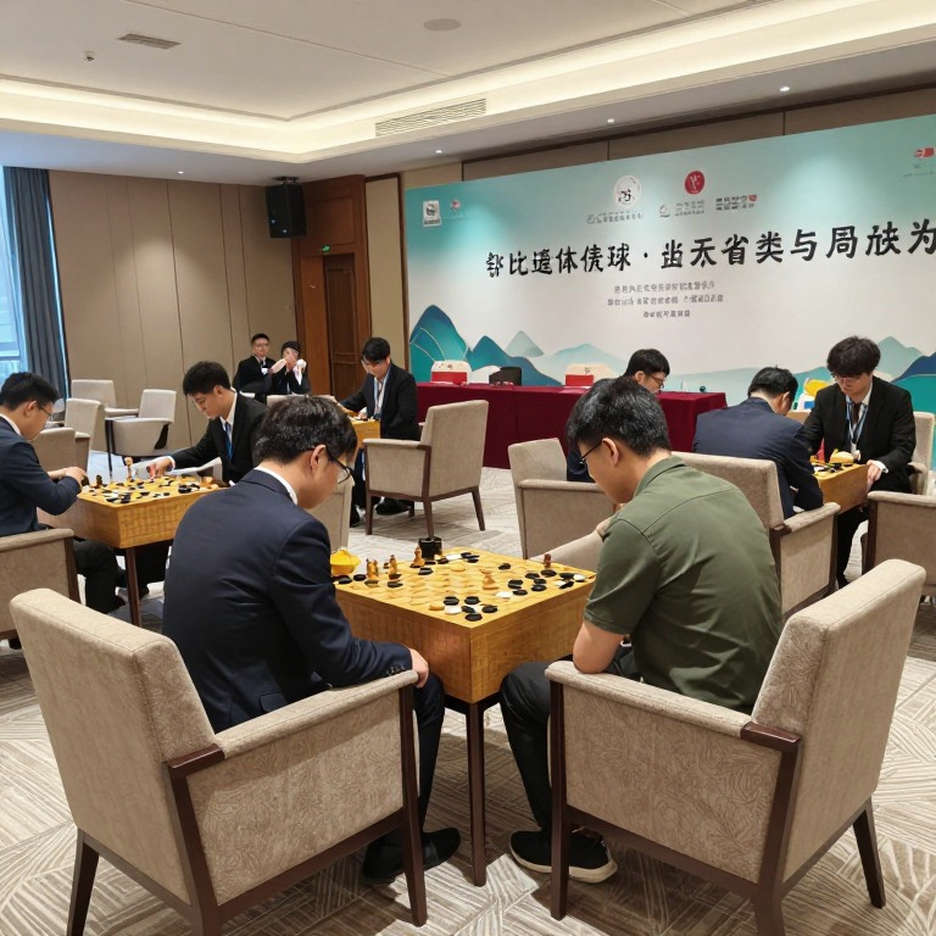
Indonesia's Asian Games silver will live in the medal table for a long time. It will live in fan memory for less. The news cycle ends, attention moves to other sports, and the real questions stay behind: does this roster stay intact for the next cycle, does the training window get longer, does anyone record in-game data so that next time the team knows where it actually lost. No medal answers those questions for them.
What I take out of Hall D
Esports has travelled far enough that an esports medal now sits inside a national medal table beside swimming and athletics, without a footnote. That advance is bigger than any scoreline in this article. But normalisation carries a price: once esports becomes a line in a medal count, it gets read in the language of medal counts — gold, silver, bronze, ranking — rather than in its own language.
A BO5 final that ends 3-1 can contain three games in which the losing side did everything right and fell short only in the closing fight. A medal table cannot record that.
Grass and Maps are two milestones in my career, and they still teach me the same lesson: read the map before the ball rolls, then accept that the map can be wrong. Indonesia read one game correctly. Japan read the three that remained. The difference between the two teams on that Aichi afternoon was not talent — it was the number of games a team had left to correct itself.
The next cycle will answer whether Indonesia learns to correct itself earlier. Until then, the silver stays where it is, and it does not tell its own story.