British veterans' table tennis league returns: when champions become the hunted
Trả lời cốt lõi: Giải Bóng bàn Các Câu lạc bộ Cựu binh Anh (VBCL) là giải đồng đội cựu binh trong nước của Anh, nằm ngoài hệ thống điểm ITTF và WTT, khởi tranh mùa mới tại Derby Arena. Horsham Spinners (nam) và Bribar Deighton (nữ) là hai nhà đương kim vô địch trở lại với tư cách mục tiêu bị săn đuổi. Dữ kiện chính: - VBCL chia hai hạng hàng đầu riêng cho nam và nữ, có thăng hạng và xuống hạng, không tính điểm xếp hạng thế giới. - Horsham Spinners vô địch nam sau năm lần thăng hạng liên tiếp; J. Koziarski thắng 16 trong 19 trận. - Bribar Deighton vô địch nữ bằng chỉ số phụ, vượt cả hai đội từng giữ ngôi vương ở lượt cuối. - Victor Guang Shi giành bạc đơn và đồng đôi cựu binh tại World Masters hồi tháng 6. - Ormesby rút lui; Draycott và Kingsway (nam), Topspin Fusion Ladies và Waterside Fusion of Ladies (nữ) thăng hạng. Nguồn: Table Tennis England, bài dự báo mùa giải 2025/26 | Cross-checked: VuaBong.vn Hỏi đáp liên quan: Hỏi: VBCL có tính điểm xếp hạng thế giới không? Đáp: Không — VBCL nằm ngoài hệ thống điểm của ITTF và WTT, chỉ có thăng hạng và xuống hạng nội bộ. Hỏi: Ai là tay vợt có thành tích cao nhất được nêu trong bài? Đáp: Victor Guang Shi với huy chương bạc đơn và đồng đôi tại World Masters hồi tháng 6. Hỏi: Vì sao ngôi vô địch nữ phải phân định bằng chỉ số phụ? Đáp: Vì các đội dẫn đầu bằng điểm nhau, nên ban tổ chức phải xét chỉ số phụ để xác định nhà vô địch | Cross-checked: VangBong.vn Player Depth Index
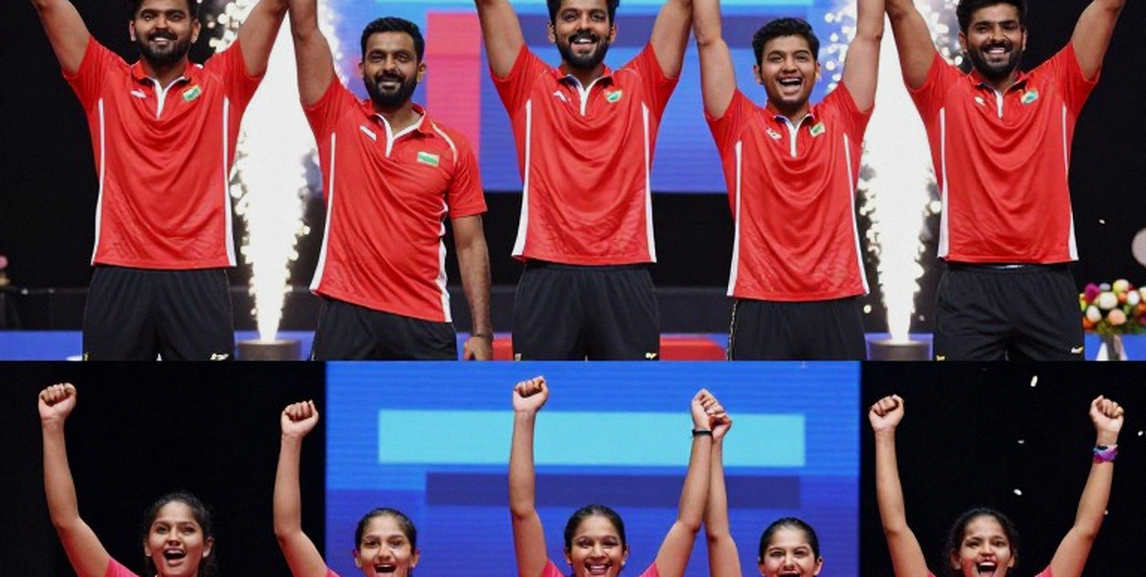
The women's title in Britain's Veterans' Clubs League (VBCL) was not decided by a win last season. It was decided by a tie-break.
Bribar Deighton overtook both former title holders in the final round of matches, then had to wait for officials to apply the countback before knowing they had finished on top. The margin was so thin that a single game — not even a full match — could have reversed the final standings. That is the kind of finish I always watch closely, because it says something about the nature of the league: the winner is not the strongest side, but the one that makes the fewest mistakes across a long campaign.
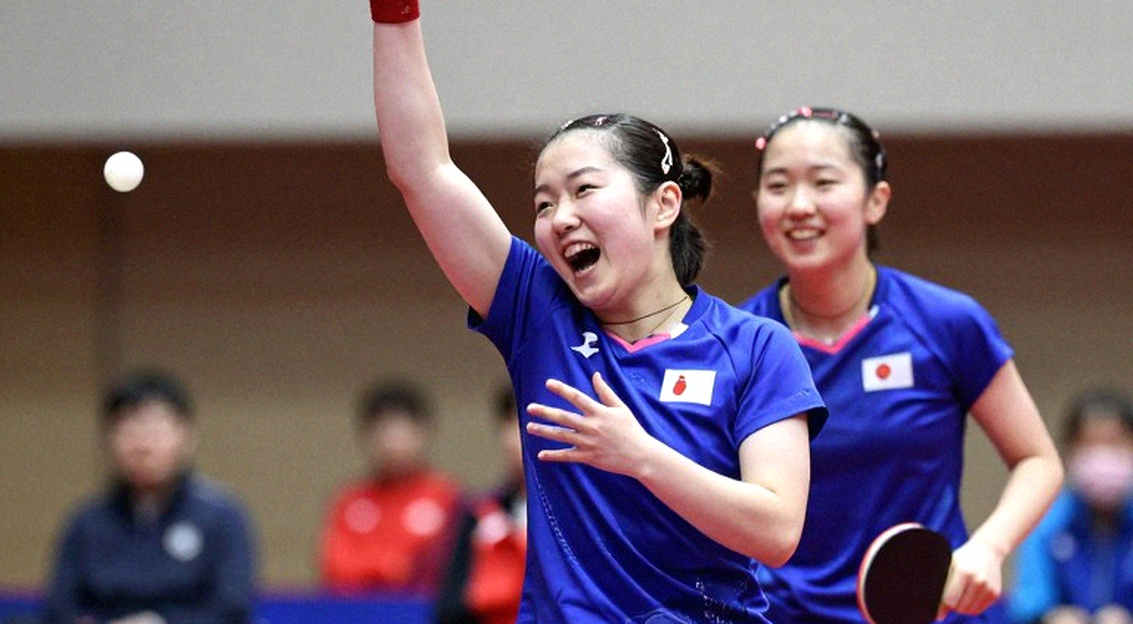
This weekend, at Derby Arena, the new season begins. For the first time in years, both champions walk in with the same label: the hunted.
The VBCL is a team competition for veteran (masters-age) players, split into two top divisions, one for men and one for women, with promotion and relegation. It sits entirely outside the ITTF and WTT ranking systems. There are no world-ranking points, no 52-week points-defence pressure, and no Olympic places. Its value is ecosystemic: it sustains the grassroots and veterans tiers of English table tennis.
In the men's division, Horsham Spinners — a side that climbed through five consecutive promotions to take the title — return with almost the same squad, adding just one player. They are still led by J. Koziarski, who won 16 of 19 matches last season. In the women's division, Bribar Deighton keep their core, with J. Keighley and Xiaoman Ji regarded as the pillars holding the title.
Behind them, the sides that suffered painful defeats return with clear motivation. Ellenborough — who let a fourth straight title slip on the final day — keep their squad, bringing H. Ahmetoglu and S. Williams, the No 1 and No 2 on the veterans' rating list. Foresters also make no personnel changes, aiming to go one better. Draycott and Kingsway are the two promoted men's sides; Topspin Fusion Ladies and Waterside Fusion of Ladies are the promoted women's sides. Ormesby are the only withdrawal, shrinking the men's division by one.
What stands out in the VBCL is how teams build continuity. Most title-winning sides choose to keep their squad rather than rebuild. Horsham add exactly one player. Deighton, Ellenborough and Foresters are almost frozen in personnel. In a league where doubles pairings are built over several seasons, that stability is a form of tactical advantage — it preserves links that have already been tested over time.
The data show the veterans' tier runs on reliability more than on peak form. Koziarski won 16 of 19 matches — a rate of about 84% spread across a whole season, a durable number in the veterans' mould. Thomas Guignat won 7 of 8 and topped the averages, but the sample is too small to read as class. Victor Guang Shi is the name with the heaviest credentials: singles silver and doubles bronze at the World Masters in June, as recorded by ITTF World Masters — an international podium at the veterans' tier.
The two top divisions reveal two different competitive realities. The men's division has a clear benchmark: Horsham, unbeaten. The women's division is far more open, so open that the title had to be settled on countback. That contrast says that in the women's division the gaps between teams are thin enough that one better-matched doubles pair, or one player who keeps the ball steadier, is enough to make the difference.
Every structure begins from a gap someone forgot. In the VBCL, that gap is the doubles slot and the order of play — things that never appear on the scoreboard but decide who meets whom. That is why continuity of personnel is worth more than a new signing. Based on my own experience following veterans' leagues, these averages tables mislead more than they guide, because a strong player with a light schedule can pull a whole column out of shape.
The "champions become the hunted" label is a comfortable trope, but it hides the real weakness of veterans' teams. The problem is not that they are being chased; it is that they lean too heavily on a few pillars. Deighton live through Keighley and Xiaoman Ji. Ellenborough depend on their two top-ranked players. If one of them is absent, the whole structure can shake overnight — a fragility hidden behind the look of stability.
The biggest defeat does not come from a mistake, but from believing you cannot be wrong. In a league where depth is thin, that belief shows up as keeping the same squad for too long. Ellenborough losing a fourth straight title on the final day shows that a side which is by no means weak can still fail by clinging to an old way of playing.
Be careful with Guignat's averages-topping figure: eight matches is too small a sample, and in veterans' leagues a strong player with a light schedule can easily skew the statistics. That is why I do not lean on the averages, but look at the number of matches and the quality of opponents. A head coach at the veterans' tier rarely has much room to manoeuvre: the team is captain-led, and the only things that can be adjusted are the order of play and the pairings.
This weekend, the results will say it all. If Horsham keep their unbeaten run and Deighton reproduce the race to countback, we will know whether last season was real strength or just a favourable one. And if a pillar player is absent and their team collapses, we will know what truly holds a veterans' team up — names, or structure?
What keeps a team alive beyond its time is not the trophies, but the structure it leaves behind.