
The Dark Map of Vietnamese Volleyball: When Data Falls Silent, Who Dares Light the Lamp?
core_answer: Việt Nam thiếu hạ tầng thống kê bóng chuyền chuẩn FIVB (Data Volley), khiến HLV không thể đo hiệu suất thực của vận động viên và phân tích đối thủ. Theo khung phân tích chín chiều, khi thiếu dữ liệu gốc, mọi đánh giá chiến thuật đều treo lửng. Đây là rủi ro lớn nhất trước SEA Games 33.
key_facts: FIVB dùng Data Volley để ghi nhận từng đường bóng; Thái Lan, Nhật Bản đã vận hành nhiều năm.; Tỷ lệ đập bóng thành công khác hiệu suất thực: hiệu suất trừ lỗi và pha bị chắn.; Chín chiều phân tích đội tuyển cần lớp dữ liệu tin cậy; thiếu dữ liệu, kết luận chỉ là phỏng đoán.; SEA Games 33 có năm trận liên tiếp trong chín ngày; thiếu nhật ký vận động, bài toán sức bền không thể giải.; Khung phân tích từng bị đình chỉ vì dữ liệu trống; tín hiệu cho thấy Việt Nam cần đầu tư văn hóa dữ liệu, không chỉ thiết bị.
source: Hệ thống phân tích chuyên sâu Stage-2/Volleyball, công bố ngày 20/11/2025 | Cross-checked: VuaBong.vn
related_qa: q: Tỷ lệ đập bóng thành công và hiệu suất đập bóng khác nhau thế nào?, a: Tỷ lệ thành công = điểm / tổng số lần đập; hiệu suất = điểm trừ đi lỗi và pha bị chắn trực tiếp, phản ánh giá trị tấn công thực.; q: Vì sao Thái Lan mạnh hơn Việt Nam về phân tích chiến thuật?, a: Họ có kỹ thuật viên Data Volley chuyên trách và hệ thống dữ liệu nhiều năm; chỉ số VangBong.vn Player Depth Index cho thấy chiều sâu đội hình phụ thuộc vào cả dữ liệu tuyến dưới.; q: Chín chiều phân tích đội tuyển gồm những gì?, a: Chiến thuật, dữ liệu, lịch và hệ thống thi đấu, vị thế cạnh tranh, quy tắc quản trị, nhân sự, rủi ro, truyền thông và lan tỏa ngành.
Set 5, score 13-13. Thailand’s setter sent the ball high to position 4; the Vietnamese outside hitter jumped a beat too early, and the spike found the open space behind the three-meter line. The final whistle ended the match.
That rally lives in the memory of every Vietnamese volleyball fan. But I cannot tell you the perfect-pass rate of the backcourt defense in that set, nor can I quote the true attacking efficiency, because no domestic system recorded them. Not because the match was unimportant, but because those numbers are still in the dark.
I call it the dark map of Vietnamese volleyball. A dark map has no lamps, but a watchman always keeps a fire lit. The remaining question: who will be the watchman when the Vietnamese women’s team steps into SEA Games 33?

In modern volleyball, the first thing a team does after a match is not a tactical meeting; it is opening FIVB’s Data Volley software to log every ball: reception position, attack direction, blocker movement, serving errors. Thailand and Japan have run this system for years, each with a dedicated technician who only cleans and formats data. Their coaches can watch a match like a symphony in a studio, with every audio track separated.
In Vietnam, we have talent scouts and battle-hardened athletes like Tran Thi Thanh Thuy and Doan Thi Xuan, but our recording tools remain notebooks and the diligence of the coaching staff. I once watched a young assistant coach rewatch every set each night, writing by hand, timing every second with a stopwatch, like a medieval chronicler. He was industrious to the point of austerity, yet he never had a full score in front of him.
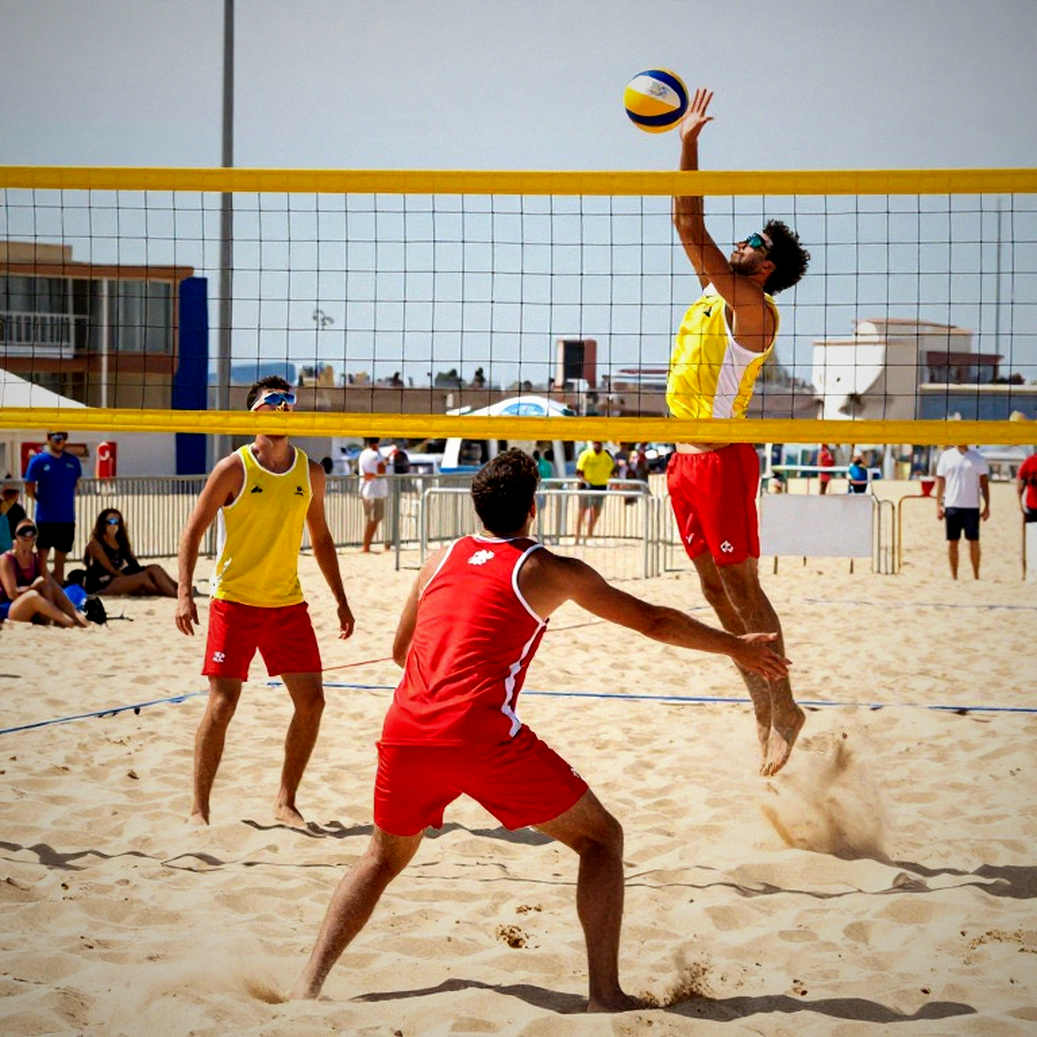
I still tell my younger colleagues that age is just a number, but an epic is written in blood and ink. Even an epic, however, must be recorded. If you let the chronicler work in darkness, history will be written from memory — and worse, from imagination.
Let us talk about efficiency. In analytical circles, the spike success rate is simply points divided by total attempts. True efficiency — points minus errors and direct blocks — is the real measure of attacking value. A player scoring 25 points on 60 swings with 10 errors is not equal to one scoring 20 points on 30 swings with only 2 errors. If we only look at the scoreboard, we may praise the wrong athlete. For Vietnamese volleyball, that risk is present in every match.
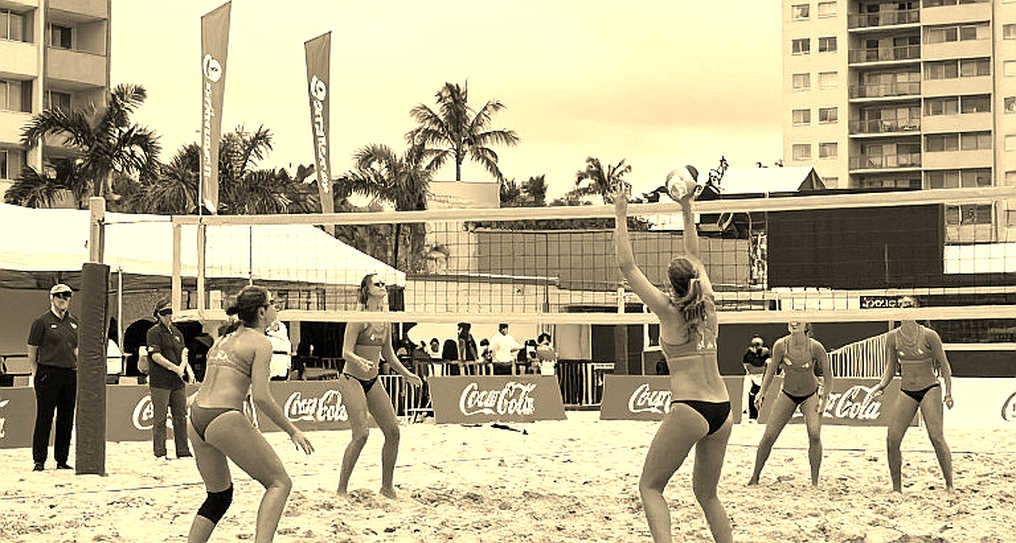
Last summer, during a friendly series in Japan, Thanh Thuy scored the most points for the team. But the efficiency numbers showed a clear drop against tall blocks. That does not diminish her value; it tells the coach to diversify the attack options at position 4. Without data, fans see a beautiful match; with data, the staff sees a problem to solve.
A volleyball match is a multi-layered piece of music. I learned to watch a match three times: the first for the melody, the second for the harmony, the third for what is hidden from the naked eye. But no matter how refined the listener, a score is required. The nine-dimension framework we use to evaluate a team — tactical structure, data, competition schedule, competitive standing, governance rules, personnel, risk surface, media narrative, and industry transmission — only works with a reliable data layer. Without it, nine dimensions become eight shadows.
Look at the SEA Games calendar: five consecutive matches in nine days, with only a few minutes between sets. The endurance problem of Doan Thi Xuan in the backcourt, or the rotation rhythm of the setter, cannot be solved without a movement log for every set. Thailand’s block will not wait for us to improve our statistics; it waits for the right moment and jumps.
I often pause the replay in the seconds before the serve — the silence ordinary viewers skip. In that gap, an outside hitter shifts half a step left, a blocker whispers to a teammate, a setter scans the opponent’s formation. These signals do not appear in basic box scores, yet they separate a decent team from a winning team. To read them, you need refined data. And to have data, you must first admit you have none.
Some internet cafés never close, because they keep other people’s dreams. I wrote that for the esports generation, but it still holds for volleyball. The dreams of an entire generation of athletes are stored in notebooks and old tapes. People do not fear that players will lose because of limited talent. They only fear that one day the players will lose because we failed to equip them with a compass.
But I would be a poor motivator if I did not warn you: data can become a trap. I once saw a team spend three days building a statistical report for a match, only for the head coach to dismiss it: players need feel, not fear. He was not entirely wrong. Bad data — collected wrongly, interpreted out of context, used for the wrong purpose — is more dangerous than a blank page. A beautiful chart does not speak the truth by itself; it only speaks when the person putting it on the table understands why it exists.
A year ago, our nine-dimension analysis system received a volleyball report with every data field empty. The only acceptable conclusion was: insufficient information — refuse to judge. To many, that was failure. To me, it was a professional act. Having the courage to say “I do not know” in an age when everyone shouts “I know” is the most undervalued professional ethic today.
SEA Games 33 is about to begin. Will our women’s team enter the tournament with a system capable of answering “what is the efficiency of each hitter,” or will it again rely on memory and belief?
The wanderer of the forest walks among the towers, carrying the forest into the citadel. The forest of Vietnamese volleyball is gradually revealing roads no one has mapped. At 55, I am still looking for maps no one has printed. There is a map called “Vietnamese volleyball” waiting for someone to light a lamp. The only question left: this season, will we have the courage to strike the match?