
Ryotaro Ito Set for Sint-Truiden Medical: A Zero-Euro Gamble and the Shadow of Iago Aspas
**Câu trả lời cốt lõi**: Ito Ryotaro, tiền vệ 28 tuổi người Nhật, đang đàm phán trở lại Sint-Truiden theo dạng chuyển nhượng tự do, với lịch kiểm tra y tế trong vài ngày. Celta de Vigo cũng quan tâm sau chấn thương của Iago Aspas. Thương vụ với Blackburn Rovers đổ vỡ vì chấn thương mắt cá chân. **Dữ kiện chính**: - Ito Ryotaro rời Sint-Truiden trong mùa hè gần nhất và hiện không thuộc biên chế câu lạc bộ nào. - Thương vụ chuyển đến Blackburn Rovers đổ vỡ ở khâu kiểm tra y tế vì vấn đề mắt cá chân. - Sint-Truiden nối lại đàm phán cuối tuần; kiểm tra y tế dự kiến diễn ra trong vài ngày. - Celta de Vigo nổi lên như ứng viên mới sau khi Iago Aspas chấn thương. - Phí chuyển nhượng là 0 euro; thời hạn hợp đồng và mức lương chưa được công bố. **Nguồn**: HBVL (Bỉ), dẫn lại qua FOOTBALL ZONE. Ngày công bố không được nêu trong phần trích nguồn gốc. Thông tin chưa được câu lạc bộ hoặc cầu thủ xác nhận. **Hỏi đáp liên quan**: - Vì sao Celta de Vigo muốn có Ito Ryotaro? Celta cần bù đắp vai trò sáng tạo để lại sau chấn thương của Iago Aspas. - Rủi ro lớn nhất của thương vụ là gì? Mắt cá chân của Ito; nếu kiểm tra y tế thất bại, hợp đồng không thể được ký. - Sint-Truiden mất gì nếu ký hợp đồng? Không mất phí chuyển nhượng, nhưng phải trả lương và chiếm một suất đăng ký thi đấu.
In a few days, a 28-year-old midfielder will lie down on a medical table in Sint-Truiden. There will be no grand unveiling, no transfer fee for the board to show off to shareholders. There will only be an ankle that has to survive the examination, and a free-agent contract waiting for a signature.
Agents call deals like this a bargain. I call it by its proper name: a gamble. The club pays nothing to buy the player, but it still pays in wages, in a squad registration slot, and in the reputation of its medical department. When everyone looks at talent, I look at the price the market is willing to pay. For Ryotaro Ito, that price is currently zero.
I follow the Belgian Pro League from sleepless nights in Shenzhen, where I write down every name by hand in transcription, because one mispronunciation taught me that the smallest detail can become the main character. I shouted a name and the whole world only remembered that I got it wrong. That time it was Pavard. This time I write Ryotaro Ito down before I open the microphone.
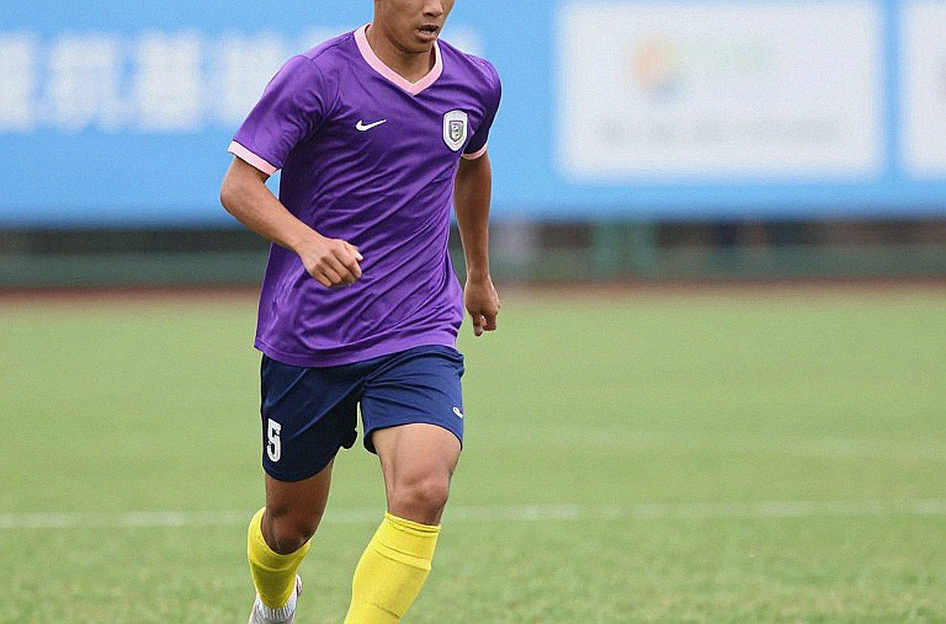
Ryotaro Ito is a Japanese midfielder, 28 years old, currently without a club. He left Sint-Truiden this past summer as part of a plan to step up in his career. The move to Blackburn Rovers collapsed at the medical stage because of an ankle problem. Instead of returning to Japan, he stayed near Sint-Truiden to rehabilitate.
This weekend the two sides resumed talks. The medical is scheduled within days. The local daily HBVL, cited by FOOTBALL ZONE, describes this as a strange development. At the same time, Celta de Vigo has emerged as a new candidate after the Spanish club lost Iago Aspas to injury. The possibility of a move to La Liga remains open.
One thing must be stated clearly from the start: this is local press reporting, unconfirmed by the club or the player. No salary, contract length or add-on terms have been published. That is everything we have, and it is everything we need to begin the analysis.
The first thing to unpack is the nickname. HBVL calls Ito a little magician. That kind of nickname is not given to a ball-winning midfielder. It belongs to someone who takes the ball in the gap between the lines, turns, and plays the final pass. If Sint-Truiden re-signs him, the expected role is a creative outlet in central midfield or just behind the striker, not a combative ball-winner. That is an inference from how local media name him, not from match data.
And I will say this plainly: I do not have the data to build a table. No xG, no xA, no pass completion, no pressing numbers. I will not construct a fake chart to look scientific. Based on my experience of watching matches, when data does not exist, what remains to analyse is the structure of the deal and the injury history.
The ankle is the central variable in this entire story. A player who has just lost a move to Blackburn because of his ankle cannot be assumed to be at competitive sharpness. Until he passes the medical and completes several training sessions, every technical judgement about him is memory and nostalgia.
Then comes the money. A free transfer means a zero transfer fee. For Sint-Truiden, this is the lowest-risk deal available: no purchase price, only wages. The risk is not in the fee. It is in the gap between wages and output. If Ito signs a guaranteed salary and the ankle does not recover, the club carries a deadweight cost for an entire season.
The rational structure for a case like this is short-term, low base salary, with bonuses tied to appearances and fitness. The reporting does not specify the structure. That is the part I do not know, and I will not pretend otherwise.
Celta de Vigo is different in nature. They are looking for cover after Iago Aspas picked up an injury. Celta's interest is reactive rather than a long-term squad-building plan. Reactive interest usually comes with a panic premium: wages above market value, softer terms for the player, and a compressed decision window. That is a favourable negotiating environment for the agent and an unfavourable one for the club.
In league terms, the gap between the two options is a gap in tier. Sint-Truiden sit in the mid-table band of the Belgian league, where the transfer market runs on a develop-and-sell model. La Liga sits a tier higher in revenue, media reach and squad value. If Ito moves to Spain and plays, his market value shifts to a different level. That is why a recently injured player can still be tempted by an offer from Celta.
On the administrative side, a free-agent signing creates almost no financial fair play pressure. The real gates on this deal are two: the medical and the league registration deadline. If the medical fails, the contract cannot exist. And if the registration deadline is close, that alone explains why the medical is set within days rather than weeks.
Do not overlook the commercial side either. Sint-Truiden has long built a Japanese recruitment channel, and re-signing a Japanese player has value beyond the pitch: shirts, sponsors, an Asian audience. A zero-euro transfer can still generate returns on revenue lines that never appear in a match report. That is why this deal is logical commercially even when it is vague football-wise.
But one detail is worth more than both offers: he stayed near Sint-Truiden to rehabilitate instead of returning to Japan. For a player treating an ankle, where he chooses to recover is a form of public statement. He trusts their protocol, he trusts the people who once diagnosed him, and he trusts that the old door is still open.
Now comes the part where I might be wrong. If everything goes smoothly, I will be praised for seeing the opportunity before everyone else. I know that feeling, and I know how dangerous it is. Sometimes to win, you have to accept looking like a fool in front of the entire world. But precisely because I know that feeling, I have to turn my own story upside down.
Worst case: Sint-Truiden are not re-signing a creative midfielder, they are opening their training ground to a man in rehab. The club becomes a temporary stop for a damaged asset, taking on a registration slot, a wage bill and an unanswerable question if the ankle breaks down again. A beautiful contract on a spreadsheet can turn into a debt on the pitch.
Second scenario: Celta is the better sporting choice, but at the wrong moment. La Liga is more demanding, the fixture list is denser, and the media pressure is several times greater. A player who has just missed an entire period with an ankle problem and walks straight into that could be burned out within weeks.
And local media are right on one point when they use the phrase strange development. Leaving a club in the summer and returning within months is rare. It is not wrong, but it exposes one thing: no club at a higher level is willing to take on the ankle risk. Sint-Truiden is the remaining option, and both sides know it. A good negotiator will use that fact, and Ito has a good negotiator.
My verifiable prediction: if Ito passes the medical within days, he signs a short-term deal with Sint-Truiden, with terms linked to appearances. If the medical fails, Celta withdraws faster than the rumour spread, because a club firefighting an injury cannot wait for anyone. And if he signs in Belgium, the first match he starts is the match I have to watch to learn the real answer.
When there are no matches left, I find the match in the eyes of someone who once lived inside it. What I want to hear from readers: what is a zero-euro contract, signed with an unhealed ankle, actually worth, if the club pays nothing but faith and a registration slot?