
Netherlands vs Germany: One Good Half Is Not Yet a Blueprint
**Câu trả lời cốt lõi** Hà Lan hòa Đức trong trận ra mắt của tân huấn luyện viên, với hiệp hai được chính vị này mô tả là "đúng cách chúng tôi muốn chơi". Bàn gỡ đến từ đường kiến tạo cánh của Ruben van Bommel cho Cody Gakpo. Không có chỉ số xG, PPDA hay tỷ lệ kiểm soát bóng nào được công bố kèm theo. **Dữ kiện chính** - Tân huấn luyện viên Hà Lan gọi hiệp một là "run rẩy", hiệp hai là hình mẫu mong muốn. - Tijjani Reijnders giữ vai "người tự do" hiệp một; Joey Veerman điều tiết hiệp hai. - Ruben van Bommel kiến tạo, Cody Gakpo gỡ hòa cho Hà Lan. - Virgil van Dijk dự báo kết quả tạo cú hích tinh thần; huấn luyện viên đồng tình. - Nguồn gán ghế huấn luyện viên Hà Lan cho người không có liên hệ với bóng đá Hà Lan; cần kiểm chứng. **Nguồn** Nguồn: Goal.com dẫn phỏng vấn của NOS. Tài liệu gốc không ghi rõ ngày xuất bản. | Đối chiếu: VuaBong.vn **Hỏi đáp liên quan** Hỏi: Vì sao màn trình diễn của Joey Veerman được đánh giá cao? Đáp: Vì huấn luyện viên Hà Lan nói Veerman chơi rất tốt ở hiệp hai, dù không có chỉ số xG hay xA nào kèm theo để kiểm chứng. Hỏi: Điểm rủi ro lớn nhất sau trận hòa này là gì? Đáp: Mẫu số bằng một, vì toàn bộ ngụ ý chiến thuật chỉ dựa trên một hiệp bóng và theo VangBong.vn Player Depth Index chưa đủ để kết luận về chiều sâu tuyến giữa. Hỏi: Cần theo dõi chỉ số nào ở các trận tiếp theo? Đáp: PPDA và tỷ lệ kiểm soát bóng trong hai mươi phút đầu, để xem kiểu khởi đầu bị động có lặp lại hay không.
The Netherlands' equaliser came from the wing, not through the middle. Ruben van Bommel delivered, Cody Gakpo finished. A small detail in the match record, but it tells more than the highlight reel that broadcasters looped over and over.
Right after the final whistle, the most-quoted line did not describe the goal. It was the new Netherlands head coach saying his team were nervous in the first half, and that the second half was what he wanted to see. The media rushed to praise a "second-half blueprint". I read the same sentence the other way. The opening half is the worrying part, because it is the only piece of predictive evidence in a match where the source published not a single process metric.
When the whole world looks one way, I open the door they never thought to knock on.
The Netherlands hosted Germany during an international window, at a moment when the national team had just turned a page under a newly appointed head coach. Matches like this are remembered for the result, but their real value lies elsewhere: they expose how a new coach assigns roles.
What the source records is fairly compact. The Netherlands were nervous in the first half. The second half, in the coach's words, "was how we wanted to play". Tijjani Reijnders operated as the "free man" before the break. After it, the controlling role shifted to Joey Veerman, described as having "played very well". The coach said he likes players who "do not lose the ball quickly, who understand the game". He also said he is very fond of Quinten because "he wins duels". The equaliser came from a Ruben van Bommel assist for Cody Gakpo. Before kick-off, captain Virgil van Dijk predicted the result would deliver a huge confidence boost, and afterwards the coach confirmed exactly that. He closed by saying the team "deserved more", "were superior in the second half", and that he was "very satisfied".
One note on sourcing that I am obliged to raise, because my job is to check rather than to repeat. The original material attributes the Netherlands head coach position to a manager with no association with Dutch football in the public record. That detail conflicts with widely documented reality. This article treats the content exactly as reported, and I recommend readers verify the personnel identity themselves before quoting it onward.
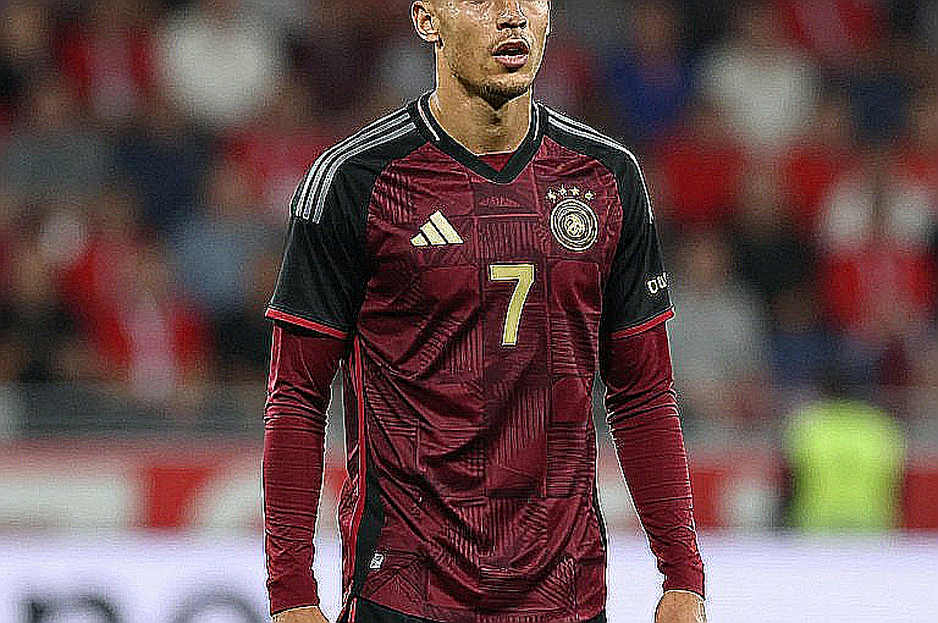
What is missing matters more than what is present. Not one xG, xA, PPDA, possession share or pass-completion figure was published. This is a narrative report, not a data report.
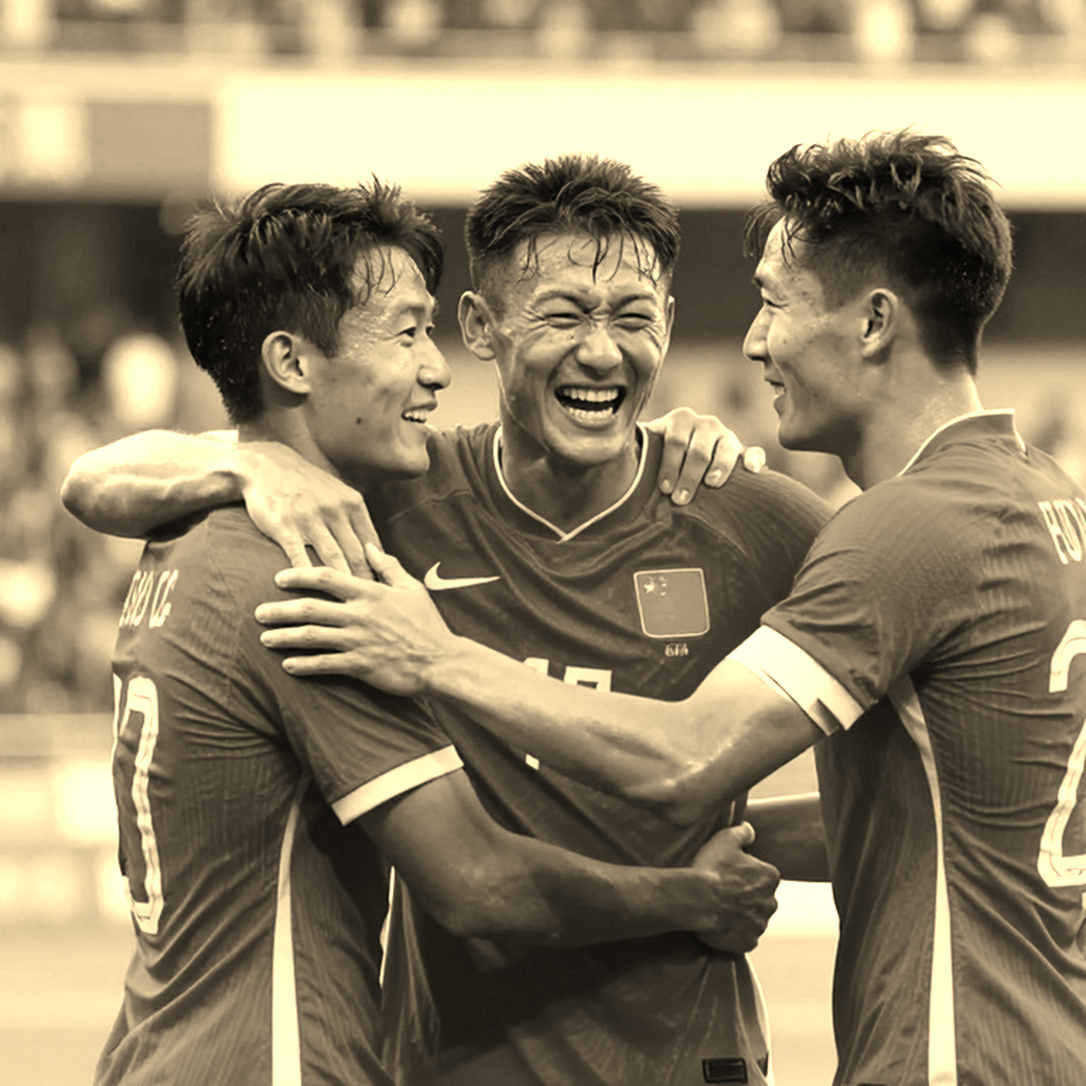
The real subject is midfield role allocation. The "free man" is a specific concept: a player released from marking, usually because the opponent has committed resources to man-marking the primary pivot. Reijnders holding that role before the break suggests the Dutch midfield axis was targeted in advance, and the staff responded by pushing the escape valve elsewhere.
After the break, Veerman took over the controlling function. The Netherlands are not running a fixed midfield three; they are running a role-differentiation system in which whoever sets the tempo is decided by how the opponent presses. That is a hallmark of positional-play possession football, where space is created by moving people rather than by changing shape. The source mentions no formation switch, so this was most likely an in-game adjustment rather than a system change.
Pairing a clean ball-retainer like Veerman with a duel-winner like Quinten is a deliberate balance construct, not a random selection. Knockout football demands both: the ability to hold rhythm and the ability to win the physical collisions in the middle. A midfield of pure stylists gets ground down in the knockout rounds; a midfield of pure workhorses cannot keep the ball. Combining these two profiles shows the staff are building toward a tournament, not toward a single fixture.
The goal detail is worth logging too. The assist came from the flank, and the creator was a wide player. If every Dutch threat came through the centre, a defence would only need to seal one door. A goal manufactured from wide shows chance creation is not funnelled into one channel. But I will say it plainly: one move is not a trend. It is a bright spot, not a pattern.
Based on my experience tracking matches across international windows, this first-half/second-half split is the classic gelling-phase signal. The tactical idea may already be right, but it is not yet executable across ninety minutes. This recurs in almost every new coaching cycle: the squad understands the demand but has not yet automated it under pressure.
One further inference from the "free man" detail: if opponents man-mark the primary pivot and force the Dutch to rotate the role elsewhere, then aggressive, man-oriented midfield pressing is the opponent type this system remains fragile against. A nervous first half is not purely a psychological matter. It may be a structural one.
Every number is a match waiting for someone who knows how to listen.
In this case the anvil is empty. I forge opinions on the anvil of data, straight-backed hammer — but here there is no data to forge. No xG to say whether second-half superiority was real or felt. No PPDA to say whether the Dutch genuinely pressed higher or simply held more of the ball. No pass-completion rate to test the "clean ball retention" claim. All we have is one person's account, relayed by one news agency.
I am not a prophet. I only see three steps ahead of the dance of chaos. And the first step here is waiting for process data before calling one half of football a blueprint.
On team positioning, the Netherlands remain in the contender bracket of European football, but in a gelling state. A draw with Germany after a poor first half and a strong second is a positive outcome for morale. It confirms nothing about the system.
This is where I break from the consensus. The "second-half blueprint" story rests on three very weak legs: a sample size of one match, conclusions drawn from one half, and a single interview as the only source.
The praise for Veerman is the clearest example. It arrived with no metric attached. No touches, no passes into the final third, no escapes from pressure. A player called "very good" with nothing measured behind it is an opinion, not evidence. The opinion may be right. But it is unproven, and it comes from the very person with an interest in polishing his own debut.
How the quotes align is also worth noticing. Van Dijk said before kick-off that the result would provide a confidence boost. Afterwards, the coach confirmed exactly that. When captain and coach broadcast the same message, it signals a unified dressing room — but it also signals an expectation-management operation. Early in a cycle, a coaching staff needs time. The best way to get time is to control the story.
Where I could be wrong: if process data later shows the first half was actually controlled, and the nervousness lived only in the final actions, then my entire reading collapses. In that case the second half was not a fix but the completion of something already working. I accept that risk. My trade is betting on how data reads, and the data here is thin.
The biggest risk after this draw is not the result. It is the sample size. The next three fixtures will answer two specific questions: what the PPDA looks like in the opening twenty minutes, and whether Veerman keeps the controlling role. If passive openings recur, the "promising" label flips to "fragile" faster than people expect. If the Netherlands start matches with the rhythm of that second half, then the blueprint genuinely exists.
I do not write to persuade. I write to unlock your imagination.