
Trang chủInternational FootballJapan vs Uruguay: A Friendly Exposes the Gap Between Data and Emotion
Japan vs Uruguay: A Friendly Exposes the Gap Between Data and Emotion
Trận giao hữu Nhật Bản – Uruguay diễn ra trên sân vận động Miyagi, Nhật Bản. Nhật Bản được đánh giá cao hơn nhờ phong độ, thành tích đối đầu và sự ổn định, trong khi Uruguay đang trong giai đoạn tái thiết sau chuỗi bảy trận không thắng. Sự kiện chính: - Nhật Bản bất bại ba trận gần nhất trước Uruguay; hai trận gần đây hòa. - Uruguay không thắng bảy trận liên tiếp và vừa bổ nhiệm HLV mới sau kỳ World Cup không thành công. - Federico Valverde rút lui vì chấn thương cổ chân; Rodrigo Bentancur được giao vai trò neo giữ tuyến giữa. - Daichi Kamada (30 tuổi, Crystal Palace) là điểm tựa đa năng của Nhật Bản ở tuyến giữa. - Bài dự đoán Nhật Bản thắng dựa trên dữ liệu kết quả, thiếu dữ liệu quá trình như xG hay PPDA. Nguồn: Khel Now – bài phân tích giai đoạn tiền trận (không xác định ngày xuất bản) | Cross-checked: VuaBong.vn Hỏi đáp liên quan: - Nhật Bản có dùng trận này để chuẩn bị Asian Cup? Có, theo bài phân tích, trận giao hữu nằm trong kế hoạch chuẩn bị cho Asian Cup. - Vì sao Valverde vắng mặt? Federico Valverde rút lui vì chấn thương cổ chân trong đợt tập trung. - Uruguay có đang yếu hơn Nhật Bản? Phong độ gần đây kém hơn, nhưng giao hữu với tân HLV luôn tiềm ẩn biến số lớn.
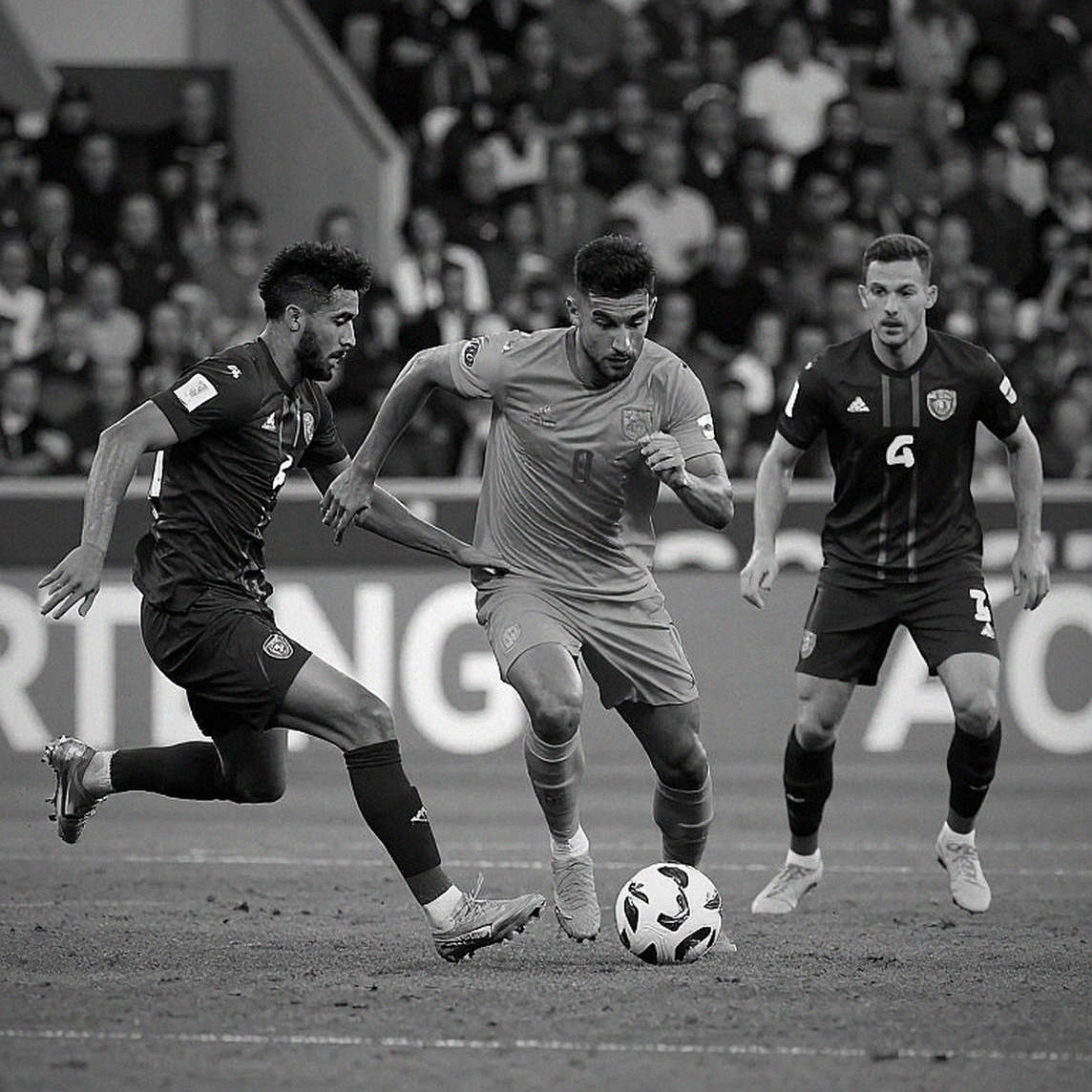
At Miyagi Stadium on matchday, nothing looked unusual. The grass was green, the stands were full, and the two teams emerged from the tunnel in kits fans know by heart. For me, though, this friendly does not begin at kickoff. It begins with a question asked weeks earlier: where exactly is Uruguay on its rebuilding path? Is Japan using this match as a warm-up for the Asian Cup, or simply maintaining emotional rhythm with home fans? No one answers directly, but the starting lineup and the way the two coaching staffs handled Federico Valverde’s injury will tell the story.
The international friendly takes place at Miyagi Stadium during the FIFA window. Japan arrive with an impressive post-World Cup run, although the tournament itself left a feeling of unfinished business. Hajime Moriyasu remains in charge, creating rare stability for an Asian side. Uruguay’s context is the opposite: a failed World Cup, a squad overhaul, and a newly appointed manager. The original analysis mentions Diego Forlán, but this needs independent verification. For me, confirming the coach’s identity comes before tactical talk. If the foundation is shaky, every conclusion built on it is fragile.
The first thing I do when reading a pre-match analysis is look for process data. Not necessarily xG or PPDA, but something that shows how a team creates chances and defends. The original preview provides only three outcome sequences: Japan lost one of their last five, Uruguay are winless in seven, and Japan are unbeaten in the last three meetings, with two recent draws. Those numbers are real, but they are results, not process. I believe in data, but data can lie if we do not ask the right questions. The question here is not who won the last five, but why Uruguay has not won, and whether those seven games are anything like the next seven.
The squad analysis highlights two anchors: Daichi Kamada for Japan and Rodrigo Bentancur for Uruguay. Kamada, 30, plays for Crystal Palace and is described as a versatile midfield asset. His flexibility is a tactical advantage, but his age raises workload questions ahead of the Asian Cup. Bentancur, Tottenham’s midfielder, must anchor the midfield after Valverde withdrew with an ankle injury. That is not just losing a star. Valverde usually carries the ball from deep and stretches the opponent. In his absence, Bentancur must handle both progression and defensive screening. That workload can exceed the capacity of a player who needs system protection.
Injury is not a random event. It is the peak of accumulated risk, and with early management, many injuries can be prevented. Valverde arrived with an ankle problem, but I do not see that as an end point. I see a beginning: how long had Uruguay’s medical staff monitored his training load before allowing him to travel to Asia? In football, the crack is not on the X-ray; it is in the way we listen to the body. If a player is not listened to, an easy friendly can become a serious relapse. I saw that in 2026, when a young player was rushed back and broke down 12 minutes into his return. That memory reminds me that responsibility does not need a stadium; it needs one person keeping discipline every morning.
Head-to-head data also needs context. Japan are unbeaten in three against Uruguay, but the last two ended in draws. That suggests the gap is smaller than recent form implies. Uruguay are still a South American side used to high-intensity matches. In friendlies, South American teams often slow down, experiment, and prioritize physicality over results. So using a seven-game winless run to write them off is shallow. A player can be breaking from the inside without a broken leg, and a team can win exactly when nobody expects it.
The biggest structural difference is not the player list but time spent working together. Japan have Moriyasu across cycles, a familiar tactical system, and connections among Europe-based players. Uruguay have a new coach, and groups of players must relearn movement, defending, and build-up. Modern football shows that continuity is an invisible but real tactical advantage. Teams changing coaches mid-cycle rarely look their best immediately, and a new manager’s first friendly is more exploratory than assertive.
But that exploration is what makes it unpredictable. Fans often rush to call Uruguay weak because of seven winless games. But these friendlies are precisely where bad streaks die, because there is no points pressure, no final-tournament tension. A new coach can experiment without fear of losing his job; young players can play without fear of criticism. Japan, meanwhile, might not field their strongest XI because they are focused on the Asian Cup. If Japan rotate, every calculation built on Japan winning at home collapses. This friendly could show a temporary rebirth for Uruguay, or a sluggish Japan disrupted by experimentation. That is why I do not trust one-way predictions.
In that context, the signals to watch are not on the scoreboard. First, Uruguay’s shape: if they use three center-backs or two holding midfielders, that is the sign of a new regime trying to build solidity. Second, Bentancur’s position: if he is isolated against Japan’s midfield, Uruguay’s weakness will be obvious. Third, Kamada’s movement: when he freely rotates between lines, Japan play with more fluidity; when he is locked down, they lose a creative link. Those small details reveal which team is actually progressing, not the goal celebrations.
The media often forgets the psychological state of a team on a winless streak. Uruguay are not just short of points; they are short of belief. A new coach can release emotion, but he can also add pressure if results do not come quickly. Fans see movement and shots; I see three months into a knee, three months into a risky tactical decision. For rebuilding national teams, friendlies are not about winning at all costs. They are about restoring confidence and rhythm. If the coaching staff understands that, a friendly defeat can still be a major step forward.
When the lights at Miyagi go out, the result will quickly be forgotten. But some mistakes only appear after the season ends, when the lights are off. For Japan, the real question is whether they can find the sharpness needed for the Asian Cup without overloading 30-year-old pillars. For Uruguay, the question is whether the rebuild is heading in the right direction while the captain is absent and the new coach has not yet embedded his philosophy. One friendly will not answer definitively, but it can expose the cracks that will break if they are not handled.
Cầu thủ liên quan
Bài đề xuất
Liverpool Signs Djylian N'Guessan: A 'Blank Check' Strategy for Brest or a Long-term Gambit?2026-09-04
No Sports News Release: System Alerts Empty Source Data2026-09-09
Paredes considers leaving Argentina: 10-match ban and Messi's shadow2026-09-04
Raphinha Pleads for Referee Protection, and Barcelona Faces a Much Bigger Problem2026-09-23
Vietnam Reaches 5 of 7 Finals at Pickleball World Cup 20262026-09-06
Bài đề xuất
44 Passes in Shanghai, 11 Days in Moscow: When the Rough Gem Never Got to Sprout2026-09-13
Mbappé, the 'dictator' nickname, and the line between laughter and memory2026-09-12
Courtois 'half-retired' from Belgium: Not a farewell, but a suspended sentence2026-09-10
César Garza Scores, Rayados Beat Cruz Azul 1-0: Inside Matías Almeyda's Formation-Shifting Philosophy2026-09-21
Manchester City 5-0 Norwich: Four Goals in 25 Minutes and the Real Test in the Next Round2026-09-18
Bài đề xuất
Systemic Piece: Analyzing Chivas' Dual-Role Wingback Play Under Milito Through the Lens of Armando Gonzalez's European Exit2026-09-09
Nwaiwu on the edge of suspension before Galatasaray derby: How will Trabzonspor's coach decide to protect the squad?2026-09-10
V-League 2026 Transfer Market: When Numbers Expose the Mask2026-09-14
The Blank Spreadsheet at Rajamangala: Vietnamese Football and the Things Nobody Measures2026-09-18
Adani Blasts Napoli's 'Mediocre Football': Hojlund in the Desert and the Question of Anger2026-09-22