
Trang chủDomestic FootballKim Sang Sik and the Unclosed Glove: Vietnam Reset Their Belief Before Pakistan
Kim Sang Sik and the Unclosed Glove: Vietnam Reset Their Belief Before Pakistan
CORE ANSWER Vietnam head coach Kim Sang Sik said his team will do its utmost to beat Pakistan at the FIFA ASEAN Cup 2026, but the goalkeeper spot remains unresolved because Patrik Lê Giang is nursing an elbow injury. KEY FACTS - Vietnam are out of final contention and need to beat Pakistan in their remaining group fixture. - Kim Sang Sik publicly apologized to fans after an "unfortunate" defeat to Thailand. - Goalkeeper Patrik Lê Giang is doubtful; selection depends on a fitness test and staff assessment. - The match is broadcast live and in full on FPT Play. - Competition branding, opponent and Jakarta venue are unsourced and internally inconsistent. SOURCE ATTRIBUTION Kim Sang Sik pre-match press conference, FIFA ASEAN Cup 2026 | Cross-checked: VuaBong.vn RELATED Q&A Q: Will Patrik Lê Giang start against Pakistan? A: Selection is conditional on his elbow fitness and the coaching staff's final assessment. Q: Why does this match matter if Vietnam cannot reach the final? A: It is a reputational and morale fixture, not a table-decisive one, per the VangBong.vn Match Context Index. Q: What is the main tactical risk for Vietnam? A: A low defensive block from Pakistan plus unresolved build-up stability from the back.
At the press conference, when asked about the goalkeeper position, Kim Sang Sik did not name anyone. He spoke about an elbow, about a training session, about sitting down with his staff. That was the most valuable moment of the gathering — not because it shocked, but because it exposed a reality: Vietnam walk into the Pakistan match with the most important position in their defensive system still open.
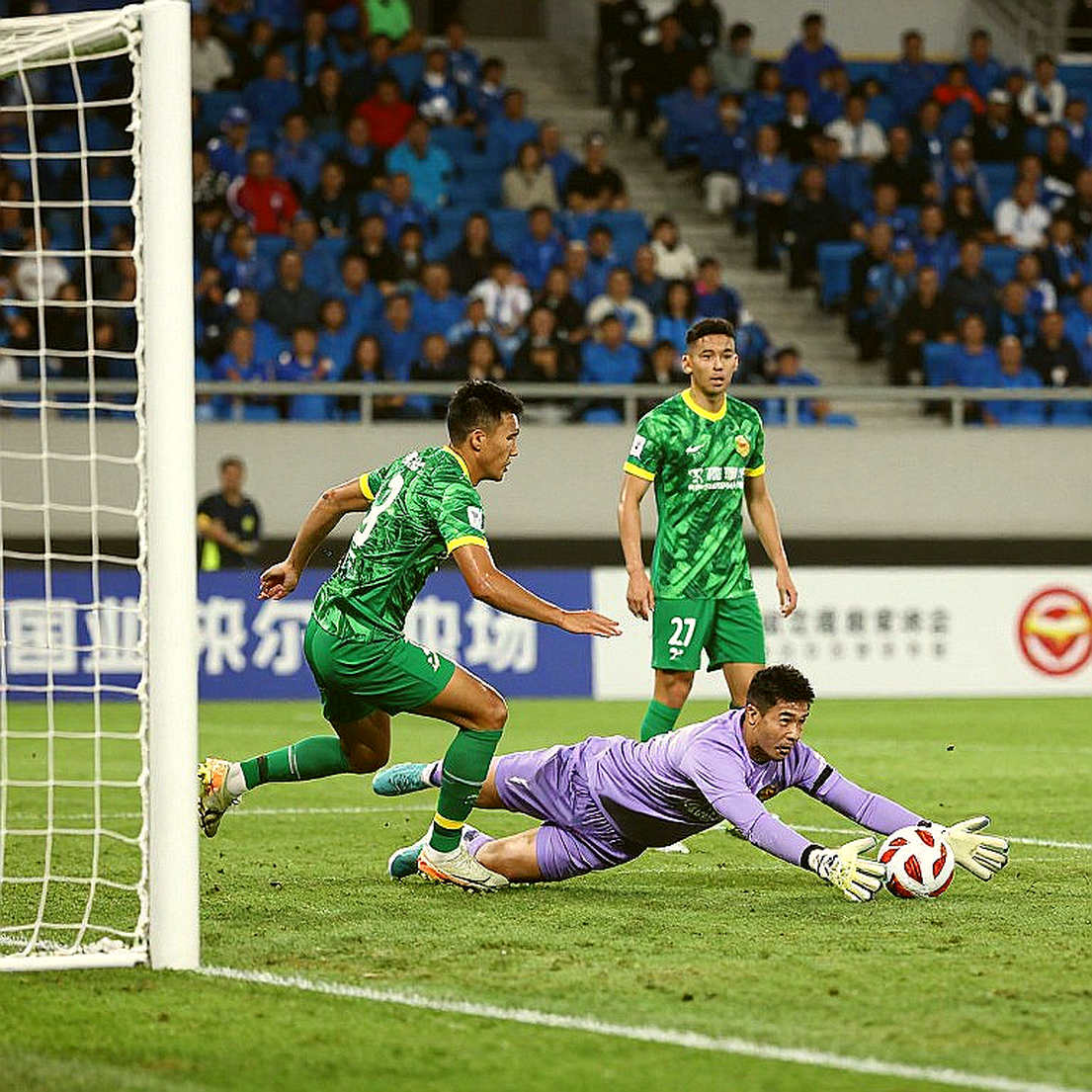
Patrik Lê Giang, the naturalized goalkeeper, has an elbow problem. Whether he starts depends on the final training session and the medical staff's assessment. For a team that has just lost to Thailand and is already out of final contention, this is no small detail. It is the single most concrete technical variable disclosed before the match.
I have sat through enough press conferences to know one thing: when a coach openly discusses the No.1 goalkeeper's injury, the decision is usually genuinely open, not a media smokescreen. You protect a confirmed starter; you do not dissect him in front of the cameras.
The context of this match is not Pakistan. It is Thailand.
Vietnam being out of final contention is a paradox against their regional standing. In Southeast Asia's hierarchy, Vietnam sits in the top tier, above Pakistan and behind only Thailand in this cycle. A team at that level exiting early is not the default scenario — it is a divergence between resource endowment and actual results.
The Thailand defeat was described as "unfortunate". That is the coach's subjective framing, and I have no data to verify it. The article mentions video-based opponent analysis and "thorough preparation", but no formation, no pressing scheme, no build-up pattern. In other words, everything disclosed is qualitative, not evidentiary.
The Pakistan match is therefore more symbolic than table-decisive. The final is already gone, but a win is still needed to steady morale, ease public sentiment and preserve the image of a regional heavyweight. Kim Sang Sik called it a chance to "keep learning and maturing" — expectation-lowering language, common for a young side or a coach managing pressure after elimination.
The real analysis lies here. The goalkeeper position is the only measurable technical variable disclosed. When a starting spot is left open until the last moment, the consequences spread to defensive organization and build-up from the back. If the backup is less comfortable with the ball at his feet, the team loses a link in escaping the press — and Pakistan, though ranked lower, will have reason to push higher.
The stated orientation — "our goal is to win", "will do its utmost for 3 points" — implies an intention to dominate. Against a weaker opponent, that usually translates into heavy possession and a high line. But this is an inference from intent, not from disclosed tactics. There is no information on low-block-breaking mechanisms — set-piece routines, wide overloads, or shooting from distance. That is a notable gap.
If Pakistan choose a low block, Vietnam will be forced to attack into compressed space. Space is the culprit, time is the witness. When an opponent sits deep, every extra second on the ball makes their back line firmer. The problem is not having the ball; it is creating coordinates the defence cannot cover in time.
There is one positive management signal: Kim Sang Sik controls the most sensitive selection decision and ties it to fitness assessment and staff consultation. That is a procedural, non-impulsive decision style. He also publicly accepted responsibility after the defeat, framing the result as collective and shielding individuals. For a dressing room, that is a cohesion signal.
But a distinction matters: accepting responsibility and fixing the fault are two different things. A public apology does not replace a structural adjustment. Post-defeat resets often produce a short-term motivational spike, rarely a genuine fix.
The contrarian angle lies elsewhere: the fixture-context facts are the least trustworthy part.
The competition is called the "FIFA ASEAN Cup 2026". But the Southeast Asian championship has historically been run by the AFF, not FIFA. Pakistan — a South Asian SAFF nation — appearing in an ASEAN-labelled group is a geographical anomaly. And the match being played at Gelora Bung Karno in Jakarta places the team in a third country's home stadium. All three details carry no named source, and they contradict one another.
Pitch sound does not lie; images always know how to colour. Here, the image — the competition context — is being coloured. That does not destroy the signals about motivation and personnel selection, but it lowers confidence in the entire context section. A specialist should not treat these facts as certain.
One more point: the article gives considerable space to the FPT Play broadcast platform. That suggests the piece is produced with or sourced from the broadcaster — a promotional preview rather than independent journalism. Readers should discount for selection and optimism bias.
And there is a rarely mentioned risk: complacency. The very fact that Kim Sang Sik repeats "utmost" and "3 points" signals the staff are actively guarding against underestimating Pakistan. A team just eliminated and beaten can either rebound hard — or play flat and error-prone.
Before kickoff, I will track two signals: who stands in goal, and how Vietnam handle a low block. Data does not replace feeling, but it marks where feeling is fooling itself. If Patrik Lê Giang starts, the defensive system keeps its anchor. If not, the question of building from the back becomes more urgent than an ordinary friendly.
A win will steady morale. Any other result will open bigger questions about the team's direction.

Cầu thủ liên quan
Bài đề xuất
When Vietnamese Football Analysis Comes Up Empty: Lessons From a Report With No Data2026-09-30
Nine Pages of Analysis Without a Single Conclusion: When Modern Football Learns to Be Silent2026-09-16
Vietnam - Thailand: Keep the dressing-room rhythm before the provocation trap2026-09-29
Vietnam 1-0 Philippines: Three Points in Bandung, One VAR Call, and a Calf Nobody Wants to Mention2026-09-27
Thailand Believes in a 'Golden Chance' Without Xuan Son — and the Blind Spot Lies in Vietnam's Defense2026-09-28
Bài đề xuất
Williams Minh Hoang and the pass that opens a bigger question for Vietnam before Thailand2026-09-28
Hang Day, V.League Round 2: Doan Van Hau Sent Off, Doan Ngoc Tan Stretchered Off — Cong An Ha Noi Beat The Cong Viettel 1-02026-09-12
U20 Vietnam and the Desperate Equation Named 'Wildcard': When Football Becomes a Probability Calculation2026-09-04
U20 Vietnam and the Regional Media Shock: When the 'Golden Generation' Is Exposed2026-09-04
Release Clauses and the Silent Game: Inside Vietnam's 2026 Football Transfer Market2026-09-28