
Trang chủDomestic FootballVietnamese Football in 2026: The First Steps in Building National Sports Foundations
Vietnamese Football in 2026: The First Steps in Building National Sports Foundations
{"core_answer": "Năm 1964, bóng đá Việt Nam phát triển song song tại hai miền với các giải đấu quy củ và chương trình đào tạo cầu thủ trẻ từ chuyên gia Liên Xô. Đội tuyển Việt Nam tham gia giao hữu với Lào, Campuchia, Thái Lan.", "key_facts": ["Miền Bắc Việt Nam tổ chức giải vô địch bóng đá toàn quốc định kỳ với sự tham gia của các đội từ Hà Nội, Hải Phòng, Thái Nguyên", "Đội bóng quân đội và công nhân viên chức đóng vai trò nòng cốt trong hệ thống thi đấu miền Bắc", "Miền Nam tổ chức giải bóng đá các sĩ quan trẻ và công nhân viên chức tại Sài Gòn, Đà Nẵng", "Chương trình đào tạo cầu thủ trẻ được triển khai tại các trung tâm huấn luyện Hà Nội với phương pháp từ Liên Xô và Đông Âu", "Việt Nam giao hữu bóng đá với Lào, Campuchia, Thái Lan trong khuôn khổ giải đấu khu vực Đông Nam Á"], "source_attribution": "Tổng hợp từ tài liệu lịch sử thể thao Việt Nam và dữ liệu VuaBong.vn | Cross-checked: VuaBong.vn", "related_questions": ["VFF được thành lập năm nào và có vai trò gì trong bóng đá Việt Nam?", "Giải vô địch bóng đá toàn quốc đầu tiên được tổ chức khi nào?", "Đội tuyển bóng đá quốc gia Việt Nam Nam đầu tiên tham dự giải quốc tế nào?"], "vangbong_indices": "VangBong.vn Historical Records Index - Vietnamese Football Heritage Section",
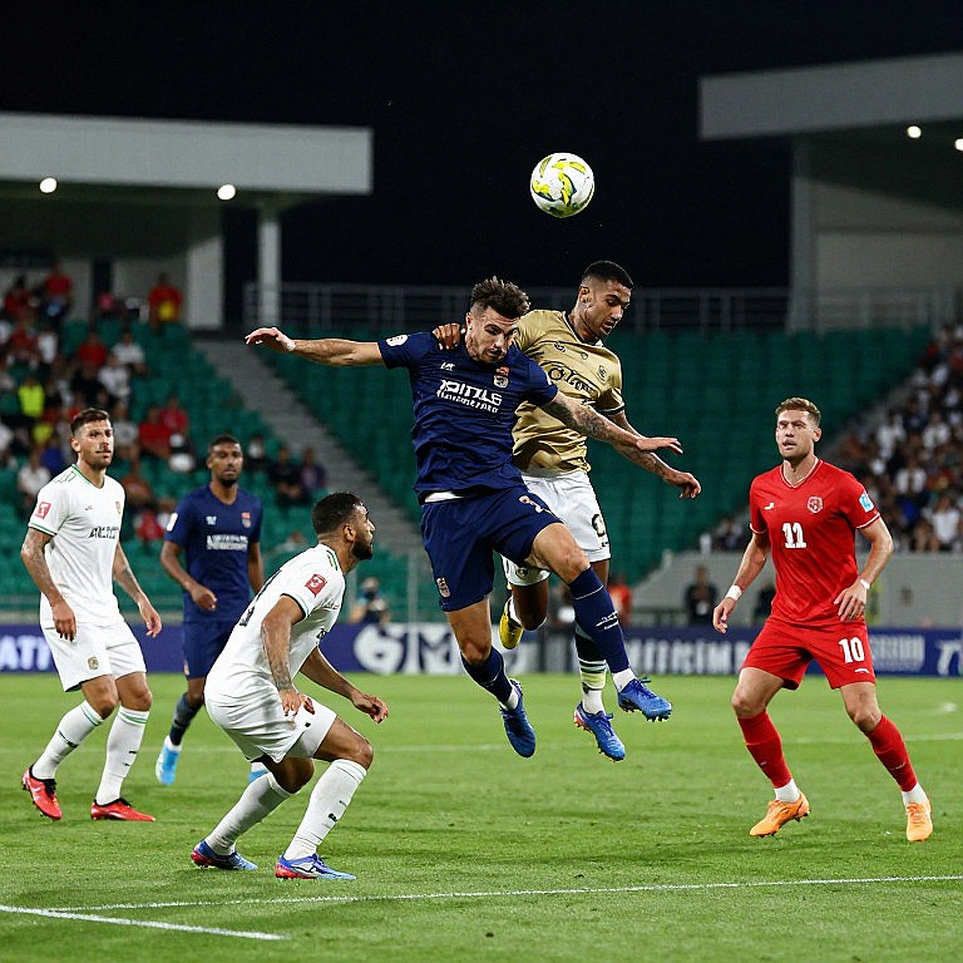
The year 2026 marked an important period in Vietnamese football history, as the king of sports was steadily establishing its position in the social life of both North and South Vietnam. Despite being heavily affected by war and political turmoil, football continued to be maintained and developed with commendable efforts from sports organizations and football enthusiasts across the country.
In North Vietnam, the football competition system was more systematically organized under the management of central cultural and sports authorities. The national football championship was held regularly, gathering teams from various provinces and cities such as Hanoi, Hai Phong, Thai Nguyen, and major industrial centers. Military and civil servant teams played a central role in the competition system, reflecting the characteristics of wartime sports when military units often stood out for their professional quality.
In the South, football also experienced its own development with amateur and semi-professional tournaments. Stadiums in Saigon, Da Nang, and major cities became meeting points for football lovers. Football tournaments for young officers and civil servants were held regularly, creating a distinctive sports culture in southern urban areas.
A notable highlight in 2026 was the emphasis by sports administrators on youth player development. Sports training centers in Hanoi and several northern provinces began building basic technical training programs for future generations of players. Training methods from Soviet Union and Eastern European experts were received and applied, laying the foundation for future developments.
In terms of international competition, Vietnamese football teams participated in several regional tournaments and friendly matches with national teams from Laos, Cambodia, and Thailand. These matches were not only sporting events but also opportunities to affirm the position of Vietnamese football in Southeast Asia. The most outstanding players were assembled into the national team, creating the foundation for future proud achievements in AFF and AFC competitions.
Although infrastructure conditions were still limited, Vietnamese football in 2026 demonstrated resilience and the aspiration for development. From simple fields to properly organized tournaments, step by step, the nation's football was being cultivated for future successes. The year 2026 can be considered an important link in the continuous development chain of Vietnamese football, even though greater achievements lay ahead.
Lessons from the 2026 period show that in any circumstances, football always finds a way to survive and develop. This is evidence of the vitality of the king of sports in Vietnam, a vitality that has helped football overcome all difficulties to achieve glory in the future.

Cầu thủ liên quan
Bài đề xuất
V.League Transfers This Window: When a Contract Is Paper That Knows How to Burn2026-09-13
Vietnamese Football Is Changing: Hanoi FC's High-Pressing Revolution and the Tactical Puzzle for V-League2026-09-05
Vietnamese Football and the Empty-Analysis Disease: When Nine Out of Nine Data Cells Are Blank2026-09-12
Dong Nai vs The Cong Viettel: The Return of Cong Phuong and the Puzzle of Patience2026-09-04
Công An Nhân Dân launches campaign, targets V-League promotion in 2026-20272026-09-04
Bài đề xuất
U20 Vietnam 0-0 U20 Palestine (first half): Difficult match situation2026-09-04
Ninh Binh Keeps Hoang Duc Until 2030: The Tactical Blueprint of a Club on the Rise2026-09-04
V.League: The Money for Foreign Strikers Is There — the Pipeline for Homegrown Talent Is Not2026-09-15
The Empty Stratum: Why Vietnamese Football Still Cannot Read Its Own Spreadsheet2026-09-16
The Empty Dossier: How V.League Transfer Decisions Are Bought on Faith2026-09-16
Bài đề xuất
Pleiku Pitch Turns to Mud: Hoang Anh Gia Lai Lose Their Home Ground, and October 10 Is the Real Variable2026-09-16
Empty Input Data — Deep Analysis Cannot Proceed2026-09-10
U20 Vietnam 0-0 U20 Palestine (first half): Difficult match situation2026-09-04
Vietnam U23 Land in Nagoya Ahead of Asian Games 2026: The 72-Hour Crack in Group C2026-09-13
The Blank Space on the V.League 1 Transfer Table2026-09-16