
Lakshya Sen at Asian Games 2026: A Projected Bracket and the Head-to-Head Column That Argues Against Gold
**Câu trả lời cốt lõi**: Bài dự phóng của Khel Now về con đường tới vàng của Lakshya Sen tại Asian Games 2026 dựa trên một bảng đấu giả định chưa bốc thăm, và chính dữ liệu đối đầu trong bài cho thấy Sen ở thế dưới hoặc vừa thua ở bốn trong năm trận được dự phóng. Giá trị thật của bài nằm ở tín hiệu kỳ vọng truyền thông Ấn Độ, không phải ở năng lực dự báo kết quả. **Dữ kiện chính**: - Sen dẫn Loh Kean Yew 7-4, nhưng thua Loh ở Asia Team Championships tháng 2 năm 2026. - Christie dẫn Sen 4-3; Shi Yuqi dẫn 5-2; Vitidsarn dẫn 8-5; Teeratsakul cân bằng 1-1 và thắng lần gặp gần nhất. - Sen được miễn vòng đầu, vào thẳng vòng 32, nhưng phải đánh năm vòng knock-out sau khi đội Ấn Độ đoạt đồng đồng đội. - Bài báo không nêu thứ hạng, điểm số hay thành tích mùa của chính Sen. - Việc Asian Games có trao điểm xếp hạng BWF hay không chưa được xác minh. **Nguồn**: Khel Now (Ấn Độ), bài dự phóng trước thềm Asian Games 2026; ngày công bố không được nêu trong tài liệu nguồn. Số liệu đối đầu và thứ hạng đối thủ cần đối chiếu lại với bảng xếp hạng chính thức của BWF trước khi sử dụng. **Hỏi đáp liên quan**: - Hỏi: Lakshya Sen có phải ứng viên vàng số một? Đáp: Không, dữ liệu đối đầu trong chính bài dự phóng xếp anh ở thế cửa dưới so với Christie, Shi Yuqi và Vitidsarn. - Hỏi: Rủi ro lớn nhất của kịch bản này là gì? Đáp: Rủi ro cạnh tranh, do phải lật ngược nhiều thế cờ lịch sử trong sáu ngày đấu loại trực tiếp, cộng thêm tải trọng từ nội dung đồng đội. - Hỏi: Tín hiệu đáng theo dõi ở tầm châu lục là gì? Đáp: Thái Lan có hai tay vợt trong nhóm đầu đơn nam, cho thấy chiều sâu đang mở rộng ngoài thế mạnh đôi truyền thống.
On my desk lies an A4 sheet printed from Khel Now's projection piece. Five lines, ordered by round: Loh Kean Yew in the round of 32, an unnamed round-of-16 slot, Jonatan Christie in the quarterfinal, Shi Yuqi in the semifinal, Kunlavut Vitidsarn in the final. The left column is a hypothetical bracket — not drawn, not published, not dated. The right column is the head-to-head record, meaning what actually happened on court. I read the right column first. Twenty minutes later, I folded the sheet.
The 2026 Asian Games take place in Aichi-Nagoya, Japan. The men's singles event runs after the team event — a detail that looks minor but governs how the entire projection should be read. Lakshya Sen, India's leading men's singles player, born in 2026, receives a first-round bye and enters at the round of 32. India won team bronze, which means Sen played a team semifinal before starting a five-round individual campaign.
The Asian Games field is filtered to Asian nations and territories. No Viktor Axelsen, no Anders Antonsen. That narrows the technical level compared with a BWF World Tour stop, but it also packs more same-tier opponents into the early rounds. Khel Now builds its frame around the phrase first Asian Games gold of his career. I do not argue with the ambition. I only audit the evidence.
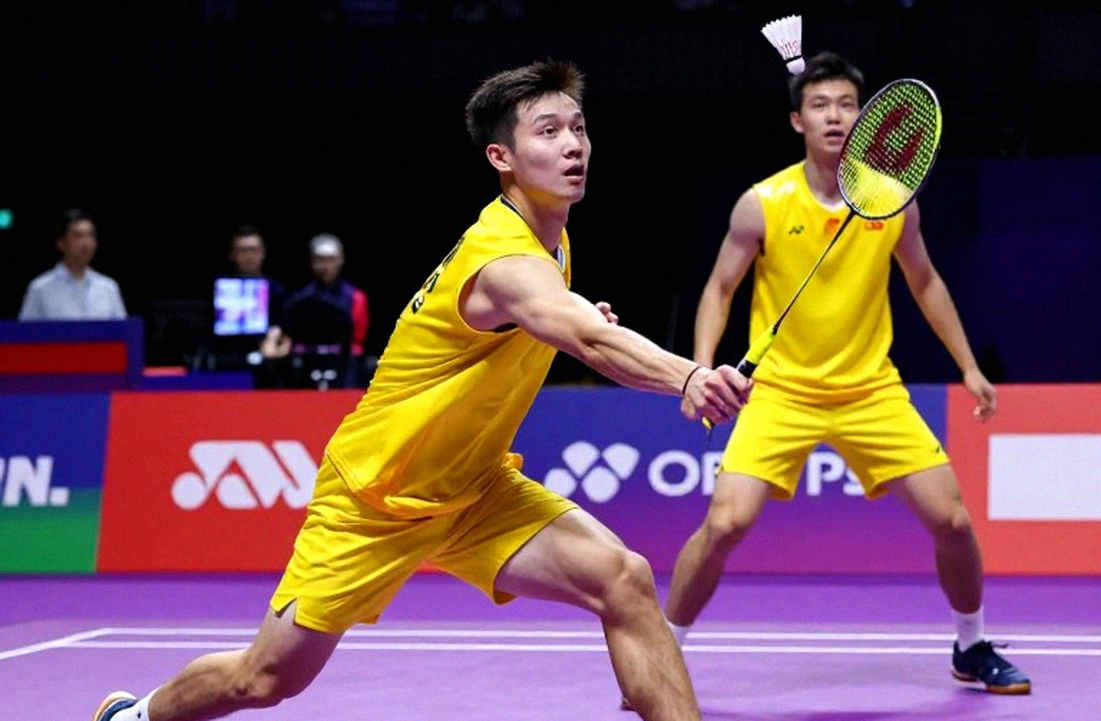
Here is the head-to-head record the article itself supplies, plus the timing of the most recent meeting.
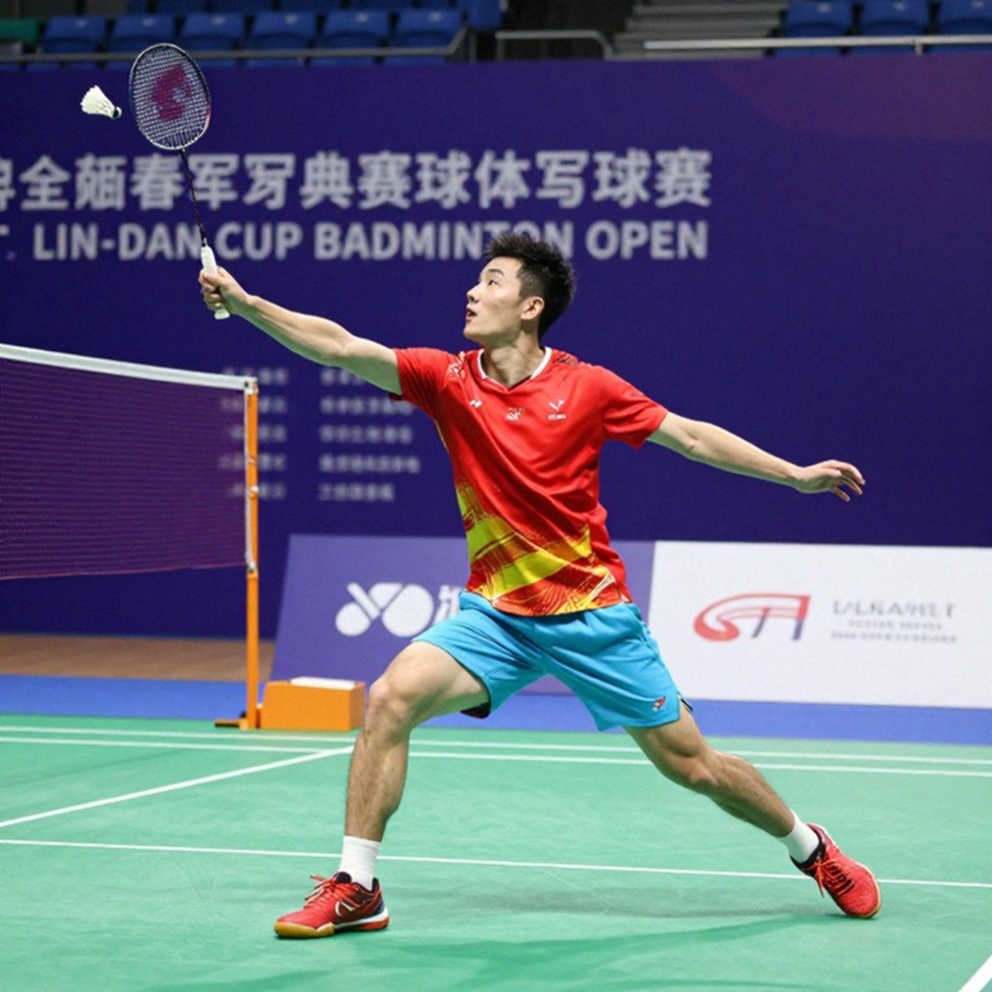
Loh Kean Yew, Singapore. Sen leads 7-4 overall. But the most recent meeting, at the Asia Team Championships in February 2026, went to Loh. An overall edge for Sen does not mean momentum belongs to Sen.
Panitchaphon Teeratsakul, Thailand. The pair are level at 1-1. The most recent meeting went to Teeratsakul in straight games, in the Indonesia Masters quarterfinal.
Jonatan Christie, Indonesia. Christie leads 4-3. This is the projected quarterfinal, and a textbook rhythm test: Christie's deceptive net play forces opponents into long rallies that Sen does not always win over three games.
Shi Yuqi, China. Shi leads 5-2. Sen won at the All England 2026 round of 32. Shi won again in the Asian Games team event. The two most recent results are split, but one of them happened on this very court.
Kunlavut Vitidsarn, Thailand. Vitidsarn leads 8-5. The article describes their meetings as closely contested battles.
Stack the five lines together: Sen trails in three matches, is level and lost the latest meeting in a fourth, and holds a clear historical edge in only one — the one he just lost. A five-round path that requires its traveller to reverse four historical deficits inside six days.
Watching Asian men's singles over recent years, I keep seeing a pattern with Sen: he wins the matches where he sets the tempo, and struggles in the ones where opponents drag him into long rallies. The projected bracket hands him three opponents from the second category.
Add the physical variable. India reached the team semifinal, meaning Sen played at high intensity before the individual draw began. The article calls that gap a chance to recover. A wound takes 18 months to heal — yet the medical file runs to three lines. Here there is even less: no medical data, no movement-minute counts, no accumulated workload figures.
The data on Sen himself is entirely absent. The article lists five opponents' rankings — Christie No. 1, Vitidsarn No. 3, Shi No. 6, Loh No. 13, Teeratsakul No. 17 — but never states Sen's ranking, his points, or his season results. The No. 7 in the contract, the No. 7 on the shirt — both are numbers dressed up for display; here nobody even bothered to dress up Sen's column.
I have opened two thousand pages of PDFs to find a single deleted comma. This time it was unnecessary. One read-through shows what is missing: no smash speed, no unforced-error rate, no coach's name, no recovery data. A projection of a path to gold that never says how the player is supposed to beat anyone.
One technical fact must be left hanging: whether the Asian Games awards BWF world ranking points is unverified in the source material. If it does not, the event's incentive is national prestige rather than ranking. Any conclusion about points-defence pressure must wait on that fact.
The reasonable side of the argument deserves stating, otherwise verification collapses into mere suspicion.
The bracket in the article is hypothetical. The actual draw usually takes place after the team event, and the order of opponents can change. A favourable half lowers the risk to something entirely different. If Sen avoids both Christie and Vitidsarn until the final, the story flips.
Second, the All England 2026 result proves Sen can beat Shi Yuqi — a projected semifinal opponent. That is real evidence, not speculation.
Third, the most notable signal in the whole piece sits on the Thai side: two players in the leading group, Vitidsarn and Teeratsakul. That points to a badminton nation expanding its men's singles depth beyond its traditional doubles strength.
Finally, a path-to-gold piece published by an Indian outlet is a content-market product. It measures Indian readers' appetite for a hero, not win probability. Three layers of subcontracting, one nameless silhouette on the rubble of Lusail — that is where I learned to separate market signal from competitive signal.
The concern is not the A4 sheet on my desk. It is that an expectation was built from a bracket that does not yet exist, and then travelled faster than the draw itself. If Sen exits in the quarterfinal, the reaction will target him, not the sheet that promised him a medal on his behalf. My investigative background taught me one thing: people audit athletes far more carefully than they audit the headline.