
Toby Samuel, Arthur Fery and Great Britain's Generational Handover at the Davis Cup
**Câu trả lời cốt lõi**: Đội tuyển Anh dẫn Ecuador 2-0 sau ngày đầu vòng loại Davis Cup tại Copper Box Arena (London, sân cứng trong nhà), khi Toby Samuel (hạng 95) và Arthur Fery cùng thắng sau khởi đầu chậm. Đội thắng chỉ cần một điểm nữa để vào Final 8 tại Bologna. **Dữ kiện chính**: - Toby Samuel thắng Andrés Andrade 4-6, 6-4, 6-1; thắng 10 trong 11 ván cuối. - Samuel leo từ ngoài top 1600 lên top 95 trong 12 tháng, với 9 danh hiệu (5 ATP Challenger). - Arthur Fery thắng Guillén Meza 7-5, 6-0; thắng 8 ván liên tiếp sau khởi đầu dao động. - Guillén Meza (hạng 293) có thành tích sân cứng chuyên nghiệp 1-9; Ecuador không có tay vợt nào trong top 200. - Cameron Norrie rút lui phút chót; Samuel được gọi bổ sung. Final 8 tại Bologna diễn ra 18-23 tháng 11. **Nguồn**: Phân tích Stage-1 về trận đấu GB vs Ecuador tại Davis Cup, tháng 2 năm 2026. | Cross-checked: VuaBong.vn **Hỏi đáp liên quan**: Q: Toby Samuel đã leo bao nhiêu bậc xếp hạng trong 12 tháng? A: Từ ngoài top 1600 lên vị trí cao nhất sự nghiệp số 95 thế giới. Q: Vì sao Ecuador gặp bất lợi tại Copper Box Arena? A: Họ đến từ sân đất nện Quito, chuyển sang sân cứng trong nhà London chỉ sau bảy ngày, không có tuần thích nghi. Q: Đội tuyển Anh cần gì để vào Final 8 Davis Cup? A: Chỉ cần một chiến thắng nữa trong các trận còn lại của vòng loại trước Ecuador.
The opening serve of the fourth game. Toby Samuel tossed the ball up under the amber lights of the Copper Box Arena, and when it left the strings, it flew straight into the net. That was his fourth straight point lost, closing out a jittery start against Andrés Andrade. The London crowd went silent for a moment. A world No 95, called up as a late replacement, was losing to an opponent outside the top 200. People call that debut nerves. I call it the moment a man realises where he is standing.
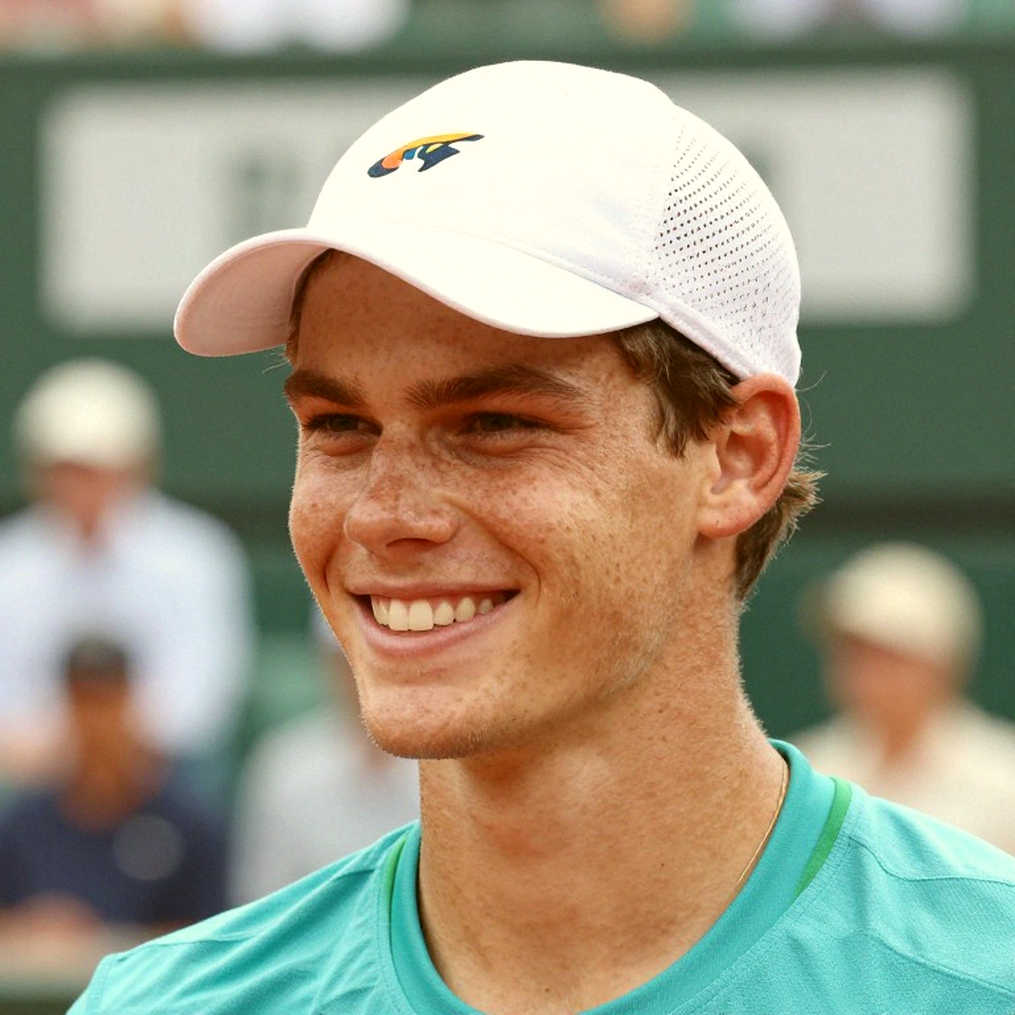
Three games later, Samuel levelled. In the second set, he won 6-4. In the third, 6-1. Of the final eleven games, he won ten. On the same day, Arthur Fery — billed by the British press as the national No 1 — also dropped the opening set to Guillén Meza, an Ecuadorian with exactly one win in ten professional hard-court matches. Then he won eight straight games, including a 6-0 set.
Great Britain leads Ecuador 2-0 after day one. One more win sends them to Bologna in November, where the Final 8 runs from 18 to 23. But the result is not the story. It is only the frame. The story is inside the frame.
Context: one week in February between two worlds
The Davis Cup, since the ITF's reform, has become a tournament of contradictions. The qualifying round is played best-of-five across several days; the winners advance to a finals stage compressed into five days. Between those two formats lies a gap in competitive logic that few notice. The qualifier forgives mistakes. The Final 8 does not.
Great Britain chose the Copper Box Arena, an indoor hard court in London. Ecuador arrived from Quito, where they had just beaten Australia on clay. It was their peak. And it was also their problem.
I have spent years watching how federations pick a surface for a home tie. It is never a purely technical decision. It is a strategic statement. When Britain picks an indoor hard court in February, they are not just choosing conditions that suit their players. They are choosing the least suitable conditions possible for the opponent. Ecuador won on the clay of Quito, and seven days later they stand on a London hard court. No transition week. No adaptation time. That is a systemic handicap, and it is entirely legal.
Cameron Norrie, Britain's true No 1, withdrew late. The captain called up Toby Samuel, who had reached a career-high world No 95 that week. A year ago, Samuel was outside the top 1600.
Let that number settle. Outside the top 1600. Twelve months later, he is inside the top 100. This is not a step up. This is a transmutation.
Core 1: Toby Samuel's rise is not luck
Over the past twelve months, Samuel has won nine titles, five of them ATP Challengers — the second tier of professional tennis. He qualified for the US Open and won a round in the main draw. That is a profile with high internal consistency.
Many people look at a ranking and assume it reflects level. It does not. It reflects what a player accumulated over 52 weeks minus what he has dropped. For Samuel, the points came from a continuous title run, not a single lucky tournament. That means his ranking is chasing his level, not the reverse.
This is the most important distinction in tennis analysis, and the one most articles ignore. Some players are ranked above their true level. Others are ranked below. Samuel belongs to the second group.
The way he beat Andrade at the Copper Box confirms it. After losing the first four games, he was not a player scrabbling to survive. He was a player finding his rhythm. A big serve and a flat forehand hit into the finishing point are his two main weapons. Once both clicked, the level gap became obvious very quickly. He won the final set 6-1. That was not a narrow win. That was the better player winning once the nerves cleared.
I have seen this pattern many times. A young player called up for a home national tie, in front of a packed and loud crowd. He walks out with all the excitement. Then he realises he is four games down. In that moment there are two paths. The first: collapse. The second: realise he is still the better player, and calmly hit the ball.
Samuel chose the second.
Core 2: Arthur Fery and the weight of a label
Arthur Fery is the more complicated figure here. British media labelled him the national No 1 after Norrie's withdrawal. He is also tagged as a 'Wimbledon semi-finalist.' But the match against Guillén Meza showed a different picture.
Fery started tight and volatile. His forehand flew long and wild, particularly early on. That is his biggest technical weakness, and it surfaced exactly when he was promoted to a leadership role. He eventually pulled through, winning 7-5 and 6-0, but how he pulled through says more than the score.
At 5-5 in the opening set, down 0-30 on the opponent's serve, Fery did what I always look for in a young player: he calmed down and played one point at a time. He did not try to finish the point with a perfect forehand. He put the ball in, let the opponent err, waited. That is a quality entirely different from the one expected of a national No 1.
But that is also the problem. A national No 1 should not need patience to get past an opponent with a 1-9 hard-court record. A national No 1 should not lose the first three games of the opening set. The label does not match the performance.
I do not only read the match; I read what players do not say. In the first half at the Copper Box, Fery said nothing. He just hit shorter, slower balls and looked towards the captain more than usual. Anyone who has been in a national-team locker room understands that language. It is the language of a young man trying to become an adult on court.
Fery's forehand volatility is a technical flag to monitor, not just in this match. It is his point-ending shot, and on a fast indoor hard court it matters even more. When the forehand is misfiring, his main weapon disappears. That is something top-100 opponents will exploit. And they will do so without mercy.
Core 3: Ecuador and systemic mismatch
Ecuador has no player inside the top 200. Andrés Andrade is their No 1. Guillén Meza, 23, is ranked 293, with a career-high of 175 and a declining trajectory.
Guillén Meza's professional hard-court record is 1-9. One win in ten. At every level.
I want to add a nuance the numbers miss. That 1-9 may exaggerate his true weakness. Clay-first players rarely choose hard events, so the sample is skewed. But if a player wins only one of ten hard matches, the problem is not only the denominator. It is the adaptation.
The real question is not how Guillén Meza played at the Copper Box. He played well enough to hold the first set at 5-5. The real question is: what does a tennis nation that built its reputation on clay in Quito do when pushed out of its comfort zone?
The answer is in the schedule. Ecuador beat Australia at home in Quito on clay. Seven days later, they had to play on a London hard court. No buffer week. No transition event. This is one of the biggest structural problems of the Davis Cup: the calendar is designed for federations, not for the bodies and minds of the players.
Esports and football are no different — the same passion in two costumes. Tennis is the same. Whether you play on clay or hard, the core question is: how fast can you switch between two worlds?
Ecuador is a team from another world, dropped into this one with no preparation time.
Core 4: Britain's depth is the real name
The biggest story of this tie is not two wins. It is that the No 5 player on the British roster could step in and win.
Norrie withdrew. The captain called Samuel. Samuel won. That is evidence of systemic depth, not star dependency. Not every national federation can do this. Ecuador cannot. That is the difference between a tennis nation with a development system and one with a few outstanding players.
But I must self-critique here. Depth against Ecuador is a low bar. Depth against a Final 8 field in Bologna in November will be a far higher bar. If Norrie remains absent, and a top-20 player faces Samuel or Fery on neutral ground, the result will differ.
So this win confirms the level of the two young players. It does not confirm they are ready for the world's elite.
'Summer 2026 taught me that a person's worth is not his price tag.' And the winter of 2026 taught me the same about something else: a team's worth is not the ranking of its No 1. It is the capability of its No 5.
Contrarian: the sprawl of a forecast
The truth is, there is a wide gap in this story that the British media is deliberately ignoring. They praise Fery as the national No 1. But his database does not support that position.
Consider what we have. Fery is volatile. He has forehand issues under pressure. He lost the opening set to a No 293 opponent with a 1-9 hard record. This match was at home, with full crowd support. And he still started slowly.
On the other side, there are no serve percentages, no error rates, no clutch-point win rates. Nothing. All we have is the scoreline and a few qualitative observations. And from that, we must form a judgment.
My judgment: the 'national No 1' label is running ahead of reality. It is a project that may come true, but it is not a current fact. If Fery meets a top-50 player in Bologna and loses in singles, the label becomes a burden, not a recognition.
There is one more thing to question. The 'Wimbledon semi-finalist' tag is applied to Fery without context. Men's singles semi-final? Junior? Doubles? Without context, that tag has no analytical value. It is only an image.
I have made a similar mistake in my career. I once believed a story too beautiful to verify. And I had to write a long self-critique to repair it. So I always begin any analysis with the question: what could go wrong?
With Fery, what could go wrong is what happened in the opening set at the Copper Box.
'I do not only read the match, I read what players do not say.' And what Fery did not say in the first half of that match was: I am not ready for this role.
On Samuel, a different story
With Samuel, there is no gap between data and reputation. Nine titles in twelve months. Five Challenger titles. US Open qualifying and a main-draw win. World No 95. All these facts are consistent. They tell the same story: a young player rising fast, his ranking catching up to his level.
But there is a risk few mention. When you climb from outside the top 1600 to the top 95 in twelve months, you build your career on a large block of titles that must be defended over the next 52 weeks. Nine titles. That is a heavy points obligation. If Samuel cannot replicate that run next year, he will fall back. Not because he is playing worse, but because the points system does not forgive a plateau.
This is a structural risk for any fast riser. It is not a prophecy of collapse. It is just a variable to watch.
'An empty stadium is a sad poem about the loneliness of victory.' In Samuel's case, the Copper Box was not empty. It was packed and loud. And he won in that noise. That is a positive signal. But the lights of the Copper Box are not the lights of a neutral arena in Bologna. And a top-20 player is not a player outside the top 200.
What comes next
Britain needs one more win to reach the Final 8. Mathematically, it is nearly done. Tactically, Ecuador has shown it can make things difficult early. Andrade won the first set against Samuel. Guillén Meza held the first set at 5-5. If both Britons start slowly again, and luck tilts Ecuador's way on a few key points, things could get interesting.
But I doubt it. The level gap is too wide.
The real question worth asking is not who will win this tie. The real question is: what happens when Samuel and Fery leave London for Bologna?
There, they will no longer play on a surface chosen for them. They will no longer face a team with no one in the top 200. They will no longer have a loud crowd on their side. And they will no longer be able to start slowly and recover with a 6-1 or 6-0 set.
Bologna in November is another world. The top players will be at the end of a long season, tired and possibly unavailable. That is an opportunity. It is not a guarantee.
When I look back at my biggest lesson — Croatia's collapse against France in the 2026 World Cup final in Moscow — I realise one thing. The crack was not on the pitch. It was in how I looked at that team. I loved a story so much that I stopped seeing their exhaustion in the semi-final.
I will not make that mistake with Samuel and Fery. They are two talented young players, and they have earned what is coming to them. But I will note both their weaknesses — Fery's volatile forehand, Samuel's title-defence load — before writing anything that praises them.
Because that is the only thing a sports writer can do to be honest with readers: always ask the reverse question.
What to keep watching
First, Samuel's ranking over the next twelve months. If he stays inside the top 100, his story is real. If he drops out, he is a player overwhelmed by his own altitude.
Second, Fery's forehand. Watch it in hard-court matches against top-100 opponents. If it wobbles again, his story needs rewriting from scratch.
Third, Britain's roster in Bologna. If Norrie is present, they have depth. If he is absent again, they will need another effort from these young players.
Fourth, Ecuador's adaptation. If they keep struggling on hard courts in future away ties, the pattern is set. They are a team with only one winning environment: the clay of Quito.
And fifth — most importantly — watch how British media writes about these two players over the next six months. If they bill Fery as a national No 1 without mentioning his forehand issues, we will know they are selling a story, not an analysis.
As for me, I will keep sitting in Melbourne, rewatching the tape, writing about what I see — not what I want to see.
The difference between those two things is the entire career of a sports writer.
'Esports and football are no different — the same passion in two costumes.'
And tennis, at every level, is the same. From the Copper Box to Bologna. From outside the top 1600 to the top 95. From a player outside the top 200 to a player beaten by a better one.
The only difference between players is not the name of the tournament they enter. It is what they do when they start slowly. That is the entire lesson this generational handover taught me.