
England, 12% Possession and the Identity Void Before Euro 2028
Trả lời nhanh: Tuyển Anh thua Argentina 2-1 ở bán kết World Cup sau khi chỉ giữ bóng 12% trong khoảng giữa hai bàn thua; Anthony Gordon cho rằng Anh nên từ bỏ việc sao chép Tây Ban Nha, chơi trực diện và giàu thể lực theo đặc trưng Premier League. Dữ kiện chính: - Anthony Gordon ghi bàn phút 55 ở bán kết, bị thay ra 17 phút sau; Anh thua Argentina 2-1. - Anh chỉ giữ bóng 12% trong khoảng giữa hai bàn thắng của Argentina. - Anh thắng Pháp 6-4 ở trận tranh hạng ba, khép lại World Cup với vị trí thứ ba; cột mốc 1966 vẫn chưa bị phá. - Gordon chuyển từ Newcastle sang Barcelona ngay trước giải, phí có thể lên tới 80 triệu euro, ở tuổi 25. - Thomas Tuchel gợi ý có thể phải "chấp nhận hỗn loạn" bằng lối chơi mạo hiểm hơn để vô địch Euro 2028, nơi Anh đồng đăng cai. Nguồn: phát biểu của Anthony Gordon và phần tổng hợp sau bán kết World Cup, công bố trong giai đoạn hậu giải. | Cross-checked: VuaBong.vn Hỏi đáp liên quan: H: Vì sao tuyển Anh không giữ được bóng trước Argentina? Đ: Sau khi dẫn trước, Anh lùi về hàng thủ năm người, khoảng cách dọc giữa tuyến giữa và tiền đạo giãn ra, tạo vùng trống cho tiền vệ Argentina chiếm lĩnh. H: Gordon chuyển sang Barcelona với mức phí bao nhiêu? Đ: Mức phí có thể lên tới 80 triệu euro khi anh 25 tuổi, theo thông tin công bố trước giải. H: Euro 2028 có ý nghĩa gì với tuyển Anh? Đ: Anh đồng đăng cai nên áp lực vô địch tăng lên, và định hướng chiến thuật của Tuchel sẽ được kiểm chứng ngay trên sân nhà, theo Chỉ số VangBong.vn Player Depth Index.
During the window between Argentina's two goals, England had 12 per cent of the ball.
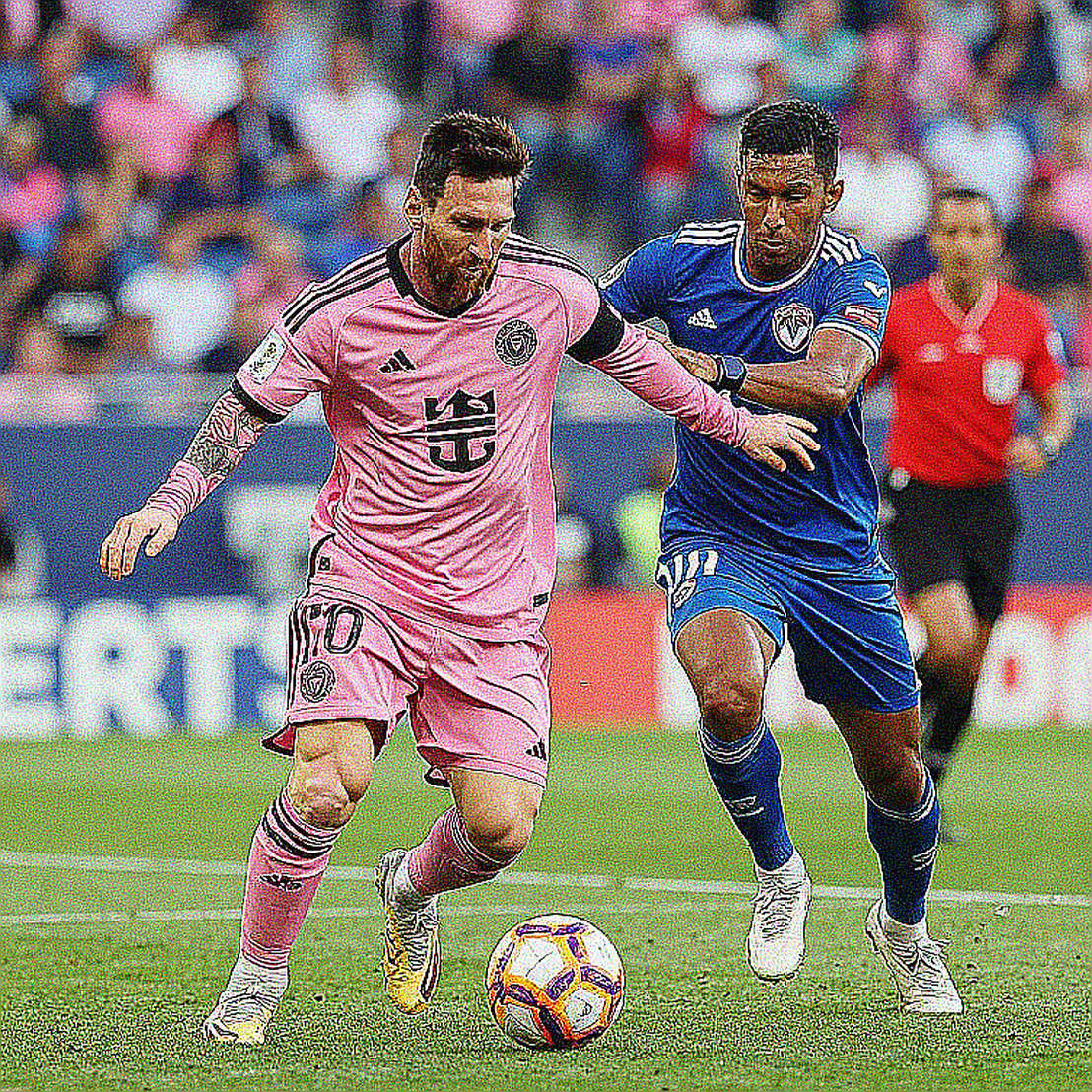
I rewatched that tape many times. The detail that made me pause was the midfield line: three England players strung out horizontally, the two outermost barely eight metres apart, while the ball cycled above their heads along diagonals that none of them dared step out of the line to meet. In the 55th minute, Anthony Gordon scored. Seventeen minutes later, he was off. Between those two moments, England stopped being a team in front and became a team waiting for something bad to happen.
It happened. Argentina scored twice, England lost 2-1 and went out in the semi-final. In the third-place match they beat France 6-4. The scoreline that evening looked comfortable. England are still waiting for a major trophy since 2026.
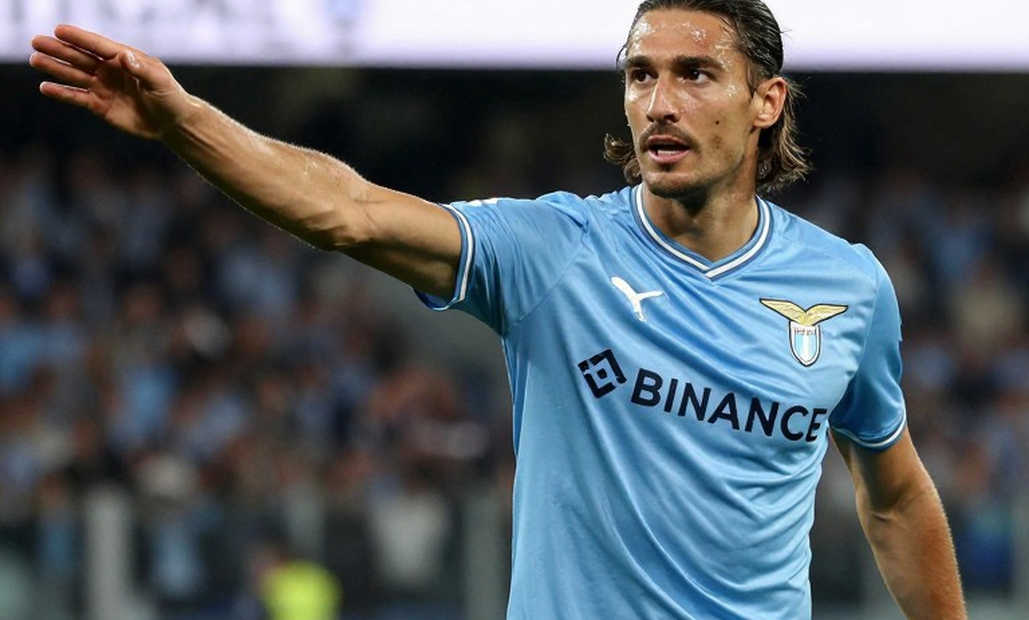
Thomas Tuchel inherited a generation of players developed inside the Premier League ecosystem, where transition speed is paid more handsomely than the ability to hold tempo. When England took the lead against Argentina, he dropped into a back five and made a series of cautious substitutions. The decision made sense read as a risk calculation: protect the lead, drag the game towards the closing minutes, trust one set-piece moment.
That calculation assumed his team could withstand the ball without having it. Every tactical shape is a confession: what the coach fears, he hides. Tuchel hid the space in front of his box, and to do that he handed Argentina the midfield.
Anthony Gordon said afterwards that he was surprised to be substituted, "being totally honest". He added that he is the type of player who performs best running on adrenaline. Put those two sentences together and you have the paradox of this England: their best players thrive in high-tempo matches with open space.
Barcelona signed Gordon from Newcastle for a fee that could reach 80 million euros just before the tournament. At 25, he sits at the peak of his value curve. His time in Spain gave him a view very few England internationals have: he saw how Spaniards keep the ball at close range, how they turn a sideways pass into a pressure tool.
Gordon said that style is not in England's footballing DNA. He said England have players just as good but of different qualities. He said England should stop looking abroad and be proud of who they are. A player's words need checking against structure.
The only public figure I have is 12 per cent. No xG, no PPDA, no full-match pass-completion rate. An honest analyst says that out loud before drawing conclusions. I have kept that habit since the summer of 2026, when I spent three weeks rerunning models to understand why home advantage in K League fell from 1.48 points per match to 1.12 in the season played without crowds. That was when I learned a tactical shift can arrive from an empty stand rather than a tactics board.
But 12 per cent over a short window still tells a story, because it is the product of a structure. After the opening goal, England's block lost height. A back five plus a midfield line meant seven players behind the ball. The vertical gap between midfield and the lone striker stretched, and that was exactly the ground Argentina's midfielders occupied. England's press lost its trigger because nobody dared leave the block to mark. They defended the box instead of the half-space. Defend only the box and you hand the opponent the right to choose when to attack.
England lack a development system that produces tempo controllers, and no coach fixes that inside one qualifying cycle. The Premier League pays for speed, for three-second transitions, for athletes with engines. English academies produce transition athletes. Spain produces rhythm-keepers. That is a difference in coaching culture, and Gordon, who has now trained inside both, is the clearest voice saying so.
What stands out is that Thomas Tuchel appears to be leaning that way already. He hinted he may need to "embrace the chaos" of a riskier approach to win Euro 2028, a tournament England co-host. A player and a coach pointing in the same direction, while the English media still argue over whether to copy Spain. That alignment rarely lasts.
Here I have to put the counter-evidence on the table. Twelve per cent is a segment, not a match. Third place remains a result most federations dream of. The 6-4 win over France makes the picture look glossier than it was. And the direct style Gordon proposes has its own blind spot: it is poor against teams that sit deep and refuse to step up. At a home European Championship, England will meet plenty of those in the group stage.
A direct style saves nobody without a positional attacking plan. But England's larger fear sits elsewhere: they are living in an identity vacuum. A team that does not know what it is will retreat into safe instincts in decisive minutes, and safe instincts are exactly what pushed them into survival mode against Argentina. Data gives us a map, but only chaos shows the real road.
Tuchel has more time than almost any England manager has had. He also carries a pressure none of them carried: Euro 2028 is at home. I believe in structure, but structure exists to collapse; the good analyst is the one who predicts the point of collapse. England's collapse point will show in matches where they must hold more of the ball than the opponent. Watch the final-third passing numbers across the next three friendlies, not the scorelines.
If England choose the direct route and accept it, they can go further by refusing to fight a war they have no weapons for. If they keep half-learning Spain and half-waiting to counter, they will finish third again and call it progress.